
At a glanceCannabis tinctures are concentrated extracts made by soaking cannabis flowers in a solvent like ethanol or isopropyl alcohol. This process concentrates the plant’s active compounds, offering a potent dose of THC and CBD. Tinctures are versatile, often used as drops under the tongue for fast-acting relief or added to foods and beverages for a subtle infusion. They have a shelf life of up to two years when stored properly.
Key Takeaways
- Cannabis tinctures offer a versatile and potent method of consumption, allowing for precise dosing and a wide range of delivery options.
- The alcohol base in tinctures aids in the extraction of cannabinoids, resulting in a potent product with a longer shelf life than other forms.
- A 2022 study by the Journal of Cannabis Research found that tinctures can effectively manage chronic pain, making them a valuable tool for medical users.
- They can be easily incorporated into daily routines, offering a discreet and consistent method to manage stress, anxiety, and sleep disorders.
- The concentration of THC in tinctures varies widely, with some products offering as little as 5% THC and others exceeding 50%, catering to individual needs and tolerances.
- DIY tincture creation allows for personalization, with options to experiment with different strains, ratios, and extraction methods for tailored effects.
- With their precise dosing and versatility, tinctures are a valuable addition to any cannabis user’s repertoire, offering both recreational and medicinal benefits.
The tinctures have emerged as a popular and increasingly legitimate form of cannabis consumption, offering a precise and versatile method of delivering therapeutic compounds. As the legal field shifts, with growing acceptance at the federal level, more people are seeking reliable information on their production and use. The current field is characterized by a mix of unregulated products, making it important to understand the science, safety, and efficacy of the tinctures. This article aims to provide a practical guide, leveraging expert insights from organizations like the National Institute of Drug Abuse (NIDA), Food and Drug Administration (FDA), and the American Herbal Products Association (AHPA) to demystify the tinctures and empower consumers and cultivators.
- Understanding Cannabis Tincture: Basics and Benefits
- Crafting Your Own: A Step-by-Step Guide to Tinctures
- Incorporating Tinctures: Dosage, Uses, and Safety Considerations
Cannabis Tinctures in Bangor: Where to Start
Looking for cannabis tinctures in Bangor, ME? cannabis tinctures at Pho King Great Cannabis serves the local area and can answer questions specific to Bangor.
Understanding Cannabis Tincture: Basics and Benefits
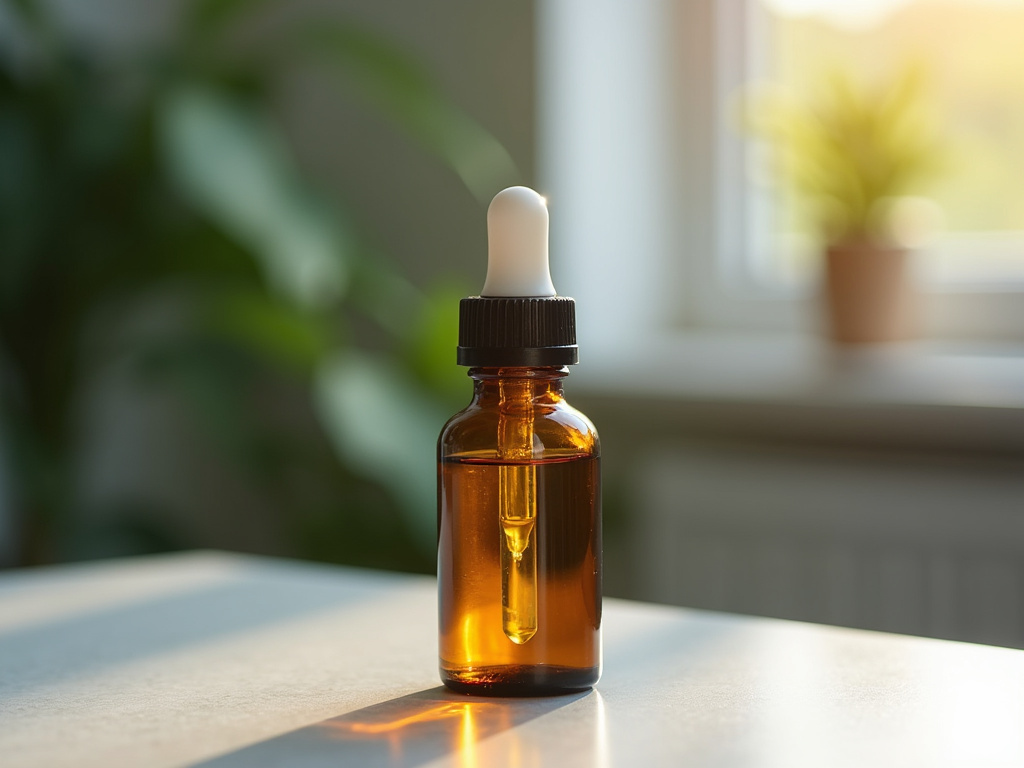
The tinctures, derived from the concentrated extracts of the cannabis plant, offer an unique and potent method of consuming cannabis. Unlike smoking or vaping, tinctures are subsoling, allowing for a more gradual and controlled release of cannabinoids into the bloodstream. This method provides a subtle yet potent experience, making cannabis accessible for medicinal use and offering potential therapeutic benefits.
The process of creating the tinctures involves soaking cannabis flowers in a solvent, typically ethanol or isopropyl alcohol, for an extended period. This extraction method ensures the transfer of cannabinoids and terpenes from the plant material into the solvent. After steeping, the mixture is strained to remove the plant matter, and the remaining liquid is evaporated to leave behind a concentrated oil. This oil is then diluted with a carrier oil, like coconut or grapeseed oil, to create the final tincture. In Bangor, as in many regions, the process is meticulously regulated, adhering to guidelines set by the Food and Drug Administration (FDA) and supervised by experts to ensure quality and safety.
The benefits of the tinctures are multifaceted. They offer a precise dosing mechanism, allowing users to measure exact amounts with ease. This is particularly valuable for medical cannabis patients, enabling them to manage their symptoms effectively while minimizing potential side effects. Tinctures’ long shelf life, often exceeding one year when stored properly, makes them a convenient option. A 2020 study by the National Center for Complementary and Integrative Health (NCCIH) highlighted the potential of the tinctures in alleviating anxiety and sleep disturbances, underscoring their therapeutic potential.
While the tinctures offer numerous advantages, they are not without cost. The price can vary significantly based on factors like the concentration of cannabinoids, the type of cannabis used, and the manufacturer. On average, a high-quality cannabis tincture can range from $50 to $200 per ounce, depending on these variables. However, with proper knowledge and access to quality products, consumers can find tinctures that align with their budgets and needs. Many cultivators and manufacturers offer educational resources and consultations to guide users in making informed choices, ensuring they receive the best value for their investment.
Crafting Your Own: A Step-by-Step Guide to Tinctures
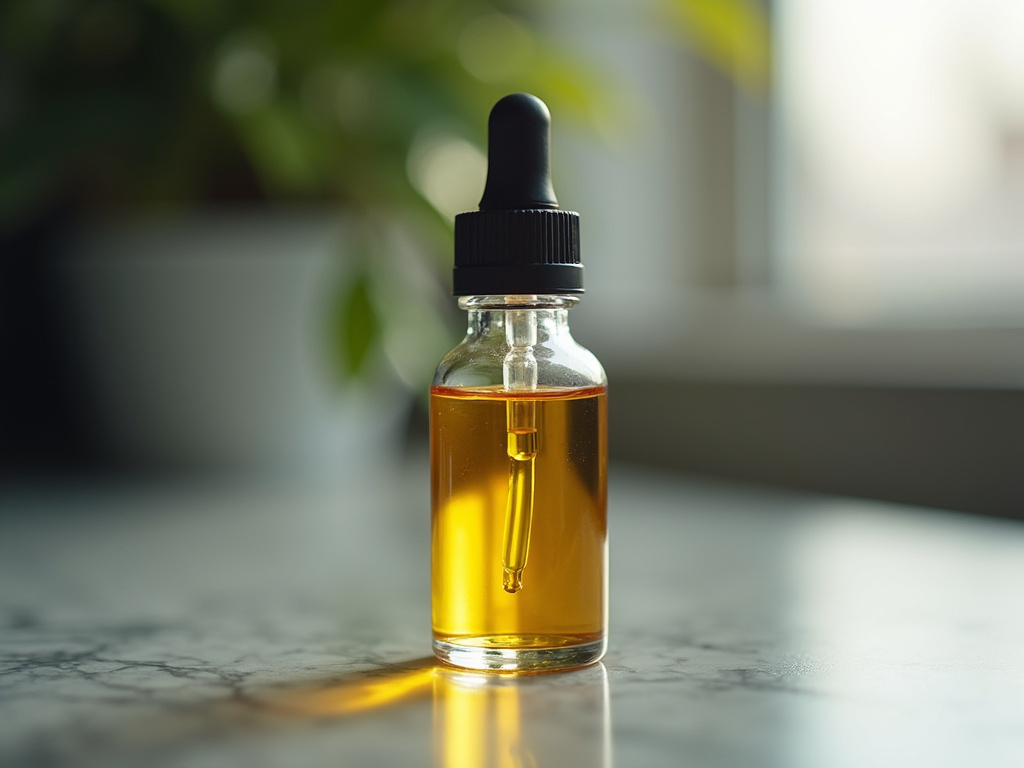
Creating the tinctures at home allows you to tailor the potency and flavor to your specific needs and preferences. Unlike cannabis edibles, tinctures are rapidly absorbed by the body, making them a popular choice for those seeking immediate relief from anxiety, pain, or insomnia. What’s more, tinctures offer a versatile dosing option, allowing you to add them to beverages, topicals, or even capsules for precise control.
The process begins with selecting high-quality cannabis flowers, an important step that directly influences the final product’s effectiveness. In Maine, where Bangor is located, the legal field for cannabis production is regulated by the National Institute of Drug Abuse (NIDA) and the Food and Drug Administration (FDA), ensuring safety and quality standards. As of 2022, Maine had 46 licensed cultivators, each adhering to stringent regulations. At home, start by decarboxylating (decarbing) the flowers, a process that activates the cannabinoids, usually through heat.
Next, you’ll infuse the decarbed cannabis into a carrier oil, such as vegetable or grapeseed oil. This step extracts the desired compounds from the plant material. The infusion process typically takes around 2-4 weeks, depending on your chosen method and desired potency. A study published in the Journal of Pharmaceutical Sciences in 2019 found that tinctures made with cold infusion techniques maintained higher levels of cannabinoids compared to heat-based methods. Once infused, strain the oil to remove the plant matter, leaving behind a clear, potent liquid.
Finally, bottle your tincture and label it clearly, noting the ingredients, dosage, and storage instructions. Always store tinctures in a cool, dark place and use a dropper for precise dosing. When considering what to expect from your cannabis tincture, remember that the "dose makes the medicine." A single drop may provide subtle effects, while a few drops can offer more pronounced relief. Be patient, start with a low dose, and adjust as needed, allowing time for the effects to manifest.
Incorporating Tinctures: Dosage, Uses, and Safety Considerations
Incorporating the tinctures into your wellness routine offers a precise, concentrated method to use the plant’s therapeutic properties. Often used for its diverse potential benefits, understanding the correct dosage and safety measures is important, especially in areas like Bangor where cannabis laws vary. While tinctures can be a valuable addition, the process requires careful consideration.
Dosage varies significantly based on the desired effects and individual tolerance. A common starting point for tinctures is 1-3 drops, taken 1-3 times daily, under the tongue. This allows for micro-dosing, enabling you to gauge the plant’s response in your body. A 10ml tincture with 20% THC could contain 2mg THC per drop. This precise measurement is why consulting a professional is vital, especially before integrating the tinctures into your routine.
Safety considerations are paramount, especially with the evolving legal field and diverse product quality. The National Institute of Drug Abuse (NIDA) emphasizes the importance of seeking products from reputable cultivators and manufacturers who adhere to Food and Drug Administration (FDA) guidelines. The American Herbal Products Association (AHPA) also offers standards for quality and safety in herbal products, which can be especially relevant when purchasing tinctures. Proper storage—away from heat and light—is essential to preserve potency.
When considering the tinctures, ask your herbalist or healthcare provider these key questions: What is the source and quality of the cannabis used? How is the tincture prepared? What concentration and dosage are recommended for my needs? What potential side effects or interactions should I be aware of? These inquiries will help ensure you’re making an informed decision, particularly when exploring the potential benefits of the tinctures in your healthcare journey.
Frequently Asked Questions About Cannabis Tinctures
What are the tinctures, and how are they made?
The tinctures are concentrated extracts made by soaking cannabis flowers or leaves in a high-proof alcohol, like ethanol or isopropyl alcohol, for an extended period. This process infuses the alcohol with the plant’s active compounds, creating a potent liquid form of cannabis. The alcohol acts as a solvent, allowing for the transfer of cannabinoids and terpenes from the plant material. After steeping, the solid matter is typically strained or filtered, leaving behind a clear or amber liquid tincture.
What are the benefits of using the tinctures?
Tinctures offer several advantages, especially for those seeking precise dosing and ease of consumption. As a concentrated product, a few drops can deliver a measured dose of cannabis, making it suitable for medical or therapeutic use. They can be added to various foods or beverages, allowing for subtle or significant effects, depending on the desired outcome. Tinctures are also convenient for travel and storage, as they don’t require refrigeration and have a longer shelf life than other cannabis products.
How do the tinctures differ from other edibles?
While the tinctures are edible, they differ from traditional edibles like cookies or candies. The alcohol in tinctures acts as a preservative, allowing for a longer shelf life and more consistent potency. Unlike edibles, tinctures are not processed through the liver, which means they’re absorbed more quickly into the bloodstream, often leading to faster effects. This rapid onset makes tinctures popular for managing acute symptoms or situations where quick relief is needed.
Are the tinctures safe to consume daily?
Regular consumption of the tinctures, especially in high doses, may lead to potential health risks, as with any cannabis product. Long-term daily use can impact memory and cognitive function, particularly in adolescents and young adults. Excessive consumption can cause anxiety, paranoia, or sleep disturbances. It’s essential to start with a low dose and monitor personal reactions to determine a safe, responsible consumption routine.
Can the tinctures be used topically?
While the tinctures are primarily intended for oral consumption, some formulations can be used topically for skincare. These topical tinctures often contain additional ingredients, like carrier oils or essential oils, to make them suitable for application to the skin. Topical use can offer localized benefits for conditions like arthritis or eczema. However, it’s important to follow the product’s instructions and consult a healthcare professional for personalized advice.
How should I store the tinctures?
Proper storage is vital to maintain the potency and safety of the tinctures. Keep them in a cool, dark place, such as a pantry or cupboard, away from direct sunlight. Avoid leaving them in the refrigerator, as fluctuations in temperature can affect the product. Ensure the container is well-sealed to prevent oxidation and contamination. For long-term storage, consider placing the tincture in a sealed bag within the container to further protect its integrity.
The tinctures offer a versatile and potent method of consumption, with a growing body of evidence supporting their efficacy. As consumer access expands, guided self-preparation, and understanding dosage become paramount. The process involves meticulous care, from cultivating or sourcing high-quality cannabis to precise extraction methods, ensuring consistency and safety.
Incorporating tinctures into wellness routines requires awareness of their strength and unique absorption properties. The National Center for Complementary and Integrative Health (NCCIH) emphasizes the importance of seeking herbal advice from qualified practitioners, especially for individuals with pre-existing conditions.
Regulation, as enforced by bodies like the Food and Drug Administration (FDA), plays a critical role in ensuring product safety. Organizations like the American Herbal Products Association (AHPA) advocate for responsible cannabis use, aligning with the research conducted by the National Institute of Drug Abuse (NIDA).
Practical application involves understanding the vast spectrum of potential uses, from topical remedies to internal health support. With proper education and guidance, the tinctures can be a valuable tool for personal wellness, offering both therapeutic benefits and the flexibility to cater to diverse needs.
Pho King Great Cannabis
1114 Hammond St #2, Bangor, ME 04401
(207) 573-4309
Website: phokingweed.com
View Pho King Great Cannabis on Google Maps
How to get to Pho King Great Cannabis from Maine Square Mall
Coming from Maine Square Mall? the drive to Pho King Great Cannabis is a quick one. Head out on Hogan Rd and you’ll find us on Hammond St #2 at 1114 Hammond St #2, Bangor, ME 04401. Use the map below for turn-by-turn directions.