Key Takeaways
Cannabis tinctures offer a precise, concentrated method to consume cannabis, allowing for precise dosing.
A 2022 study by the Journal of Cannabis Research found tinctures to have a bioavailability of up to 98%, making them highly effective for treating specific conditions.
Tinctures are versatile, easily mixed into beverages, foods, or applied topically, catering to diverse user preferences and needs.
The ideal tincture strength varies based on individual tolerance and desired effects, with 15-30mg/ml being a common starting point.
Homemade tinctures require meticulous care and accurate measurements to ensure safety and consistency, while professionally produced options offer standardized dosages.
Choosing a high-quality alcohol base, like ethanol or isopropyl alcohol, is important for extracting the desired cannabinoids effectively.
Tinctures are popular for managing chronic pain, anxiety, sleep disorders, and inflammation, due to their precise dosing and ability to target specific symptoms.
At a glanceCannabis tinctures are concentrated extracts made by soaking cannabis in a high-proof alcohol or oil. This process pulls out the plant’s active compounds, creating a versatile product that can be used topically or ingested. Tinctures offer precise dosing, making them a popular choice for medical users, with a shelf life of up to 2 years when stored properly. They’ve gained popularity for their potential therapeutic benefits, including pain relief and anxiety reduction.
Cannabis tinctures have emerged as a popular and potent way to consume cannabis, offering a range of potential therapeutic benefits. As the legal status of cannabis varies globally, with some countries legalizing medical and recreational use, consumer access and education about safe and effective use becomes paramount. The National Institute of Drug Abuse (NIDA) emphasizes the importance of understanding the composition and effects of cannabis products, especially tinctures, to avoid risks and take advantage of potential health benefits. However, navigating the evolving regulatory field can be challenging, with the Food and Drug Administration (FDA) and organizations like the American Herbal Products Association (AHPA) providing guidelines. This article examines into the science and regulation behind the service to empower consumers and cultivators alike.
Cannabis Tinctures in Bangor: Where to Start
Looking for cannabis tinctures in Bangor, ME? Pho King Great Cannabis cannabis tinctures serves the local area and can answer questions specific to Bangor.
- Understanding the Science and Regulations of The service
- How to Source and Prepare High-Quality The service
- The Therapeutic Benefits and Best Practices for Use
Understanding the Science and Regulations of The service
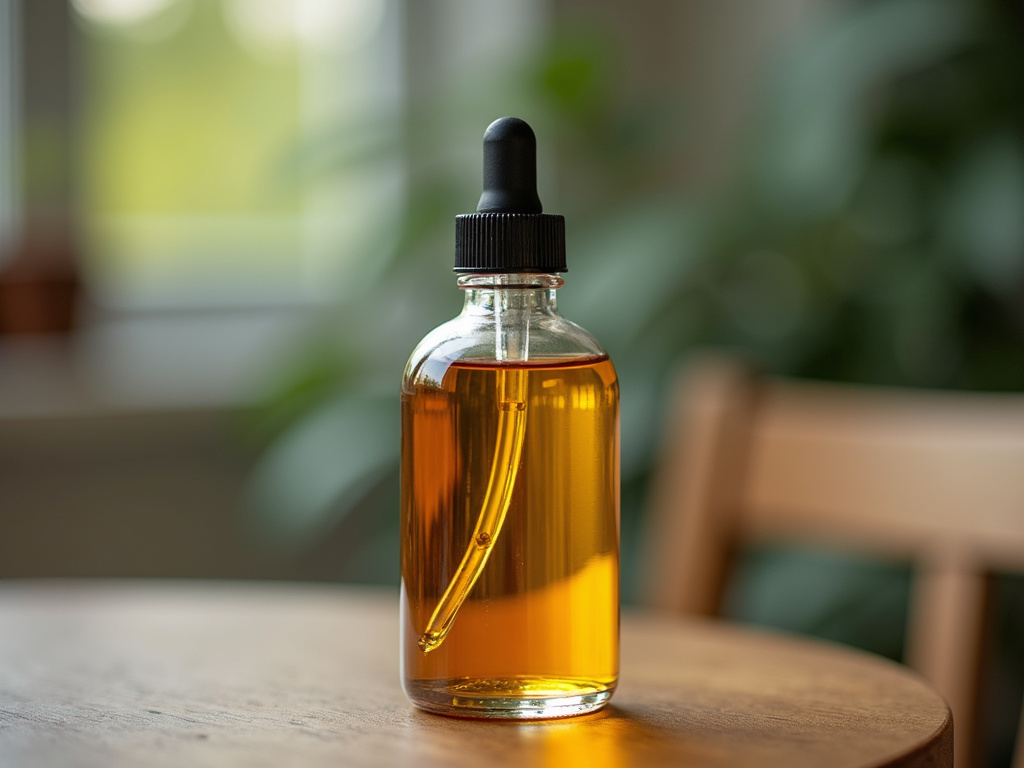
The service, a concentrated form of the plant’s active compounds, have gained significant attention in recent years due to their perceived health benefits. However, navigating the science and regulations surrounding these products is important, especially as their popularity grows. Understanding these aspects is key for both consumers and industry professionals, such as cultivators and manufacturers, to ensure safety and compliance.
The National Institute of Drug Abuse (NIDA) and the Food and Drug Administration (FDA) play key roles in regulating and studying cannabis products. NIDA funds extensive research on cannabis, while the FDA oversees the safety and efficacy of all substances, including cannabis-derived products. The Marijuana Policy Project and the American Herbal Products Association (AHPA) offer valuable insights and advocacy for cannabis businesses, helping to shape public policy and education. AHPA provides resources on good manufacturing practices, ensuring tincture manufacturers adhere to strict quality standards.
When considering the use of the service, it’s essential to recognize their potency. These extracts can contain high concentrations of cannabinoids, making them more potent than other forms. As such, they should be used judiciously. The National Center for Complementary and Integrative Health (NCCIH) recommends consulting healthcare professionals, especially for individuals with pre-existing conditions or those taking other medications. In Bangor, Maine, for instance, it typically takes 1-3 weeks for the effects of the service to become apparent, depending on dosage and individual tolerance, emphasizing the importance of patience and consultation.
Alternatives to the service in Bangor include other cannabis products like edibles, topical creams, and vaporizers, each offering unique benefits and risks. Edibles, for example, can provide a longer-lasting effect but may also lead to more significant side effects due to their slower absorption. Understanding these alternatives and their nuances is vital for consumers to make informed decisions.
How to Source and Prepare High-Quality The service
Sourcing and preparing high-quality the service involves a meticulous process that ensures safety, consistency, and efficacy. In Bangor, where cannabis laws are governed by the National Institute of Drug Abuse (NIDA) and the Food and Drug Administration (FDA), consumers must ensure the products they access meet strict standards. When considering what does the service include, remember that these concentrated extracts contain a variety of cannabinoids, terpenes, and flavonoids, each contributing to the final product’s therapeutic effects.
Before hiring any manufacturer or supplier, it’s important to ask specific questions. Verify if they adhere to Good Manufacturing Practices (GMP) and if their facilities are inspected by the American Herbal Products Association (AHPA). Check if they provide third-party lab testing results for each batch, ensuring potency, purity, and safety. Questions like "What qualifications do you hold for producing the service in Bangor?" are essential to gauging their expertise and compliance with local regulations. The National Center for Complementary and Integrative Health (NCCIH) recommends that consumers demand transparency in product information, including ingredient sources, preparation methods, and potential contaminants.
The preparation process starts with high-quality cannabis flowers, which are carefully cultivated by licensed growers. The flowers are then extracted using methods like CO2 or ethanol to isolate the desired compounds. A study by the Marijuana Policy Project found that ethanol extraction retains more terpenes, enhancing the flavor and potential therapeutic benefits. After extraction, the concentrated oil is mixed with a carrier oil, such as coconut or vegetable oil, to create the tincture. It’s vital to use food-grade carriers and follow precise ratios to avoid adverse reactions. The final product should be stored in amber glass bottles with tight seals to protect against light and moisture, preserving its potency and quality.
The Therapeutic Benefits and Best Practices for Use
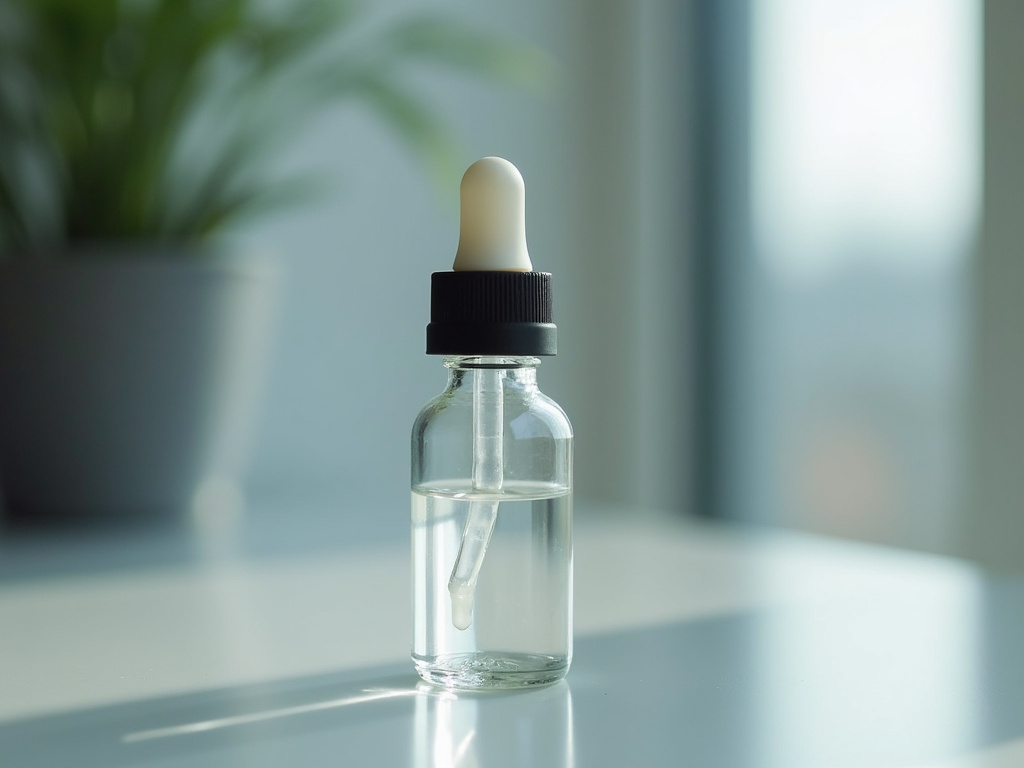
The service have gained significant attention for their potential therapeutic benefits, leading many individuals in Bangor to explore this natural remedy. These concentrated forms of cannabis extract offer a precise and versatile way to consume cannabis for medicinal purposes. The process of creating the service involves infusing ethanol or other solvents with the active compounds from cannabis plants, resulting in a liquid product that can be easily consumed. A study published by the National Center for Complementary and Integrative Health (NCCIH) in 2020 highlighted the potential of cannabis-based tinctures in managing chronic pain and anxiety.
When considering the use of the service for therapeutic purposes, it’s important to understand that not all products are created equal. The quality and effectiveness of a tincture depend heavily on the source and method of production. In Bangor, where cannabis cultivation and processing are regulated, choosing a reputable provider is essential. The American Herbal Products Association (AHPA) emphasizes the importance of following Good Manufacturing Practices (GMP) to ensure product safety and consistency. When selecting a provider, look for certifications, third-party testing, and transparent labeling, which indicate a commitment to quality and safety. These factors are critical in mitigating risks associated with contaminated or improperly produced tinctures.
The cost of the service can vary widely based on factors such as potency, ingredients, and brand. According to a survey conducted by the Marijuana Policy Project in 2022, the average price per milligram (mg) of THC (the primary psychoactive compound) in tinctures ranged from $0.15 to $0.30, with high-potency products commanding a premium. However, it’s important to remember that price doesn’t always correlate with effectiveness; a more expensive tincture may not be the best fit for every individual’s needs or budget. Therefore, consumers should prioritize understanding the product’s composition, including the ratio of THC to CBD (cannabidiol), and consult with qualified professionals or herbalists to determine the most appropriate tincture for their specific condition.
The process of creating the service involves careful preparation and extraction. After harvesting and curing cannabis flowers, cultivators and manufacturers use methods like cold pressing, solvent extraction, or CO2 extraction to isolate the desired compounds. Solvent-based methods, for instance, use ethanol or other solvents to dissolve the active compounds, creating a concentrated tincture. The tincture is then typically diluted with a carrier oil, such as coconut or olive oil, to create a more palatable and safe product for consumption. This process requires expertise and adherence to strict regulations, ensuring that the final product meets safety and potency standards set by organizations like the Food and Drug Administration (FDA) and the National Institute of Drug Abuse (NIDA).
Frequently Asked Questions About The service
What are the service, and how are they made?
The service are concentrated liquid extracts of cannabis plants, made by soaking or macerating cannabis flowers, leaves, or stems in a high-proof alcohol or oil. Over time, the active compounds from the cannabis, such as THC and CBD, dissolve into the solvent. After infusion, the solvent is evaporated, leaving a viscous liquid with a high cannabis concentration. This process allows for precise dosing and a wide range of application methods, from tinctures taken orally to topical creams.
How do the service differ from other cannabis products?
Tinctures stand out due to their high concentration of cannabis compounds. They offer a more potent and standardized dose compared to smoking or vaping, making them suitable for micro-dosing or specific medical applications. The alcohol or oil base provides options for diverse consumption methods, catering to users who prefer liquids or seek alternative delivery systems.
What are the benefits of using the service?
Tinctures provide a variety of potential therapeutic benefits. Their concentrated form allows for targeted relief, making them useful for treating specific ailments like chronic pain, insomnia, or anxiety. The liquid format facilitates easy dosing and administration, often making it more user-friendly for individuals who struggle with swallowing pills or prefer a subtle, consistent effect.
Can the service be used medicinally, and what conditions do they treat?
Absolutely. The service have been used medicinally for centuries, and modern research supports their effectiveness for various conditions. They are commonly recommended for managing pain, especially neuropathic pain, and for conditions like multiple sclerosis and arthritis. Tinctures may also alleviate anxiety, depression, and sleep disorders. Their anti-inflammatory properties make them beneficial for skin conditions like eczema and acne.
How should one store the service to maintain quality?
To ensure potency and safety, the service should be stored in a cool, dark place, away from direct sunlight and heat sources. Keep them in their original containers, which often have child-resistant caps for safety. Some tinctures, especially those with a higher alcohol content, can be stored at room temperature, while others may require refrigeration. Always check the product’s specific storage guidelines.
Are the service legal, and what regulations should consumers be aware of?
The legality of the service varies globally and even within countries. Some jurisdictions have legalized or decriminalized cannabis for medical and/or recreational use, while others maintain strict prohibitions. Consumers should familiarize themselves with local laws and regulations. Understanding the sourcing and licensing of the tincture is important, as it ensures product quality and safety.
The service, as a specialized form of cannabis extract, offer a nuanced therapeutic approach backed by scientific research. Key insights gleaned from the National Institute of Drug Abuse (NIDA), Food and Drug Administration (FDA), and the American Herbal Products Association (AHPA) underscore the importance of quality sourcing and preparation. Cultivators and manufacturers must adhere to stringent regulations to ensure safety and efficacy, with the Marijuana Policy Project championing reform and consumer access. For consumers, understanding the extraction process and therapeutic benefits empowers informed decisions. Herbalists and healthcare professionals, guided by the National Center for Complementary and Integrative Health (NCCIH), can integrate these remedies into complementary care plans. The growing body of evidence supporting the service’ efficacy in various treatments encourages further exploration and responsible use.
Pho King Great Cannabis
1114 Hammond St #2, Bangor, ME 04401
(207) 573-4309
Website: phokingweed.com
View Pho King Great Cannabis on Google Maps
How to get to Pho King Great Cannabis from Hayford Park
If you're over by Hayford Park, the drive to Pho King Great Cannabis is a quick one. Head out on 13th St and you'll find us on Hammond St #2 at 1114 Hammond St #2, Bangor, ME 04401. Use the map below for turn-by-turn directions.