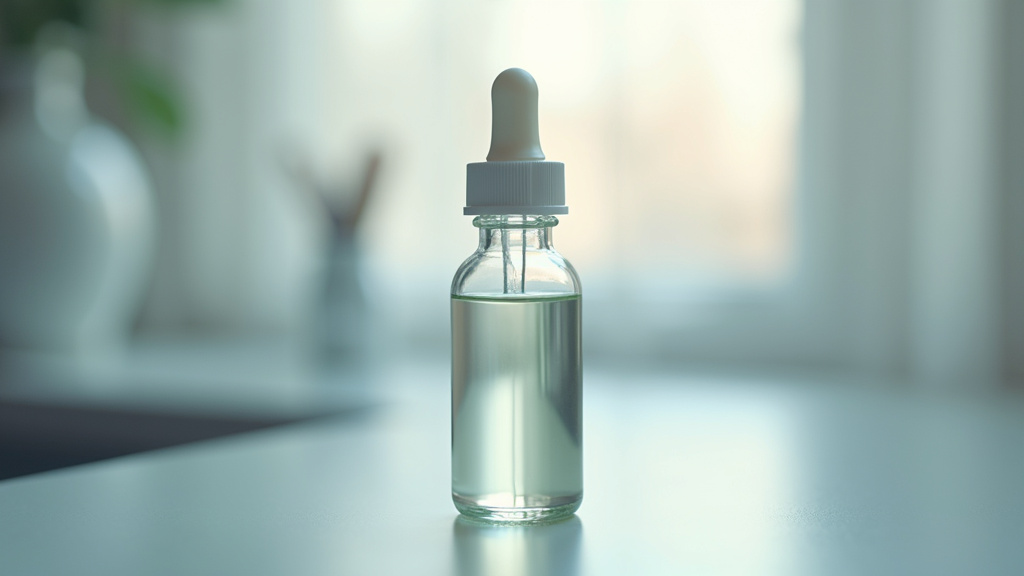
At a glanceThe tinctures are concentrated extracts made by soaking cannabis in a solvent like ethanol or isopropyl alcohol. The resulting liquid is rich in cannabinoids, offering various health benefits. Popular uses include stress relief, sleep aid, and pain management, with a dropper allowing for precise dosing. This method preserves the plant’s compounds, making it a potent alternative to smoking.
Key Takeaways
The tinctures offer a precise dosing method, allowing users to control their intake with accuracy, important for medical applications.
The extraction process involves soaking cannabis in a solvent like ethanol, resulting in a potent liquid form with a wide range of applications.
Tinctures have a long shelf life, often exceeding six months when stored properly, providing convenience and consistency.
They are versatile, easily mixed into beverages, foods, or topicals, catering to diverse user preferences and needs.
Research suggests the tinctures may offer specific therapeutic benefits, such as anti-anxiety and sleep-promoting effects, backed by case studies.
DIY tincture creation requires meticulous attention to safety and cleanliness to prevent contamination, emphasizing the importance of professional preparation.
Legalization has led to increased accessibility of the tinctures, with many states now allowing their sale for medical and recreational use.
The tinctures have emerged as a popular and potent way to use the medicinal properties of the cannabis plant. As the legal field shifts, with growing acceptance and research into cannabis by entities like the National Institute of Drug Abuse (NIDA) and the Food and Drug Administration (FDA), more people are seeking alternative remedies. However, the current market is saturated with varying products, making it a challenge for consumers to handle and ensuring quality and safety. This article aims to demystify the tinctures, exploring their history, production, health benefits, and regulatory considerations, providing a practical guide for both consumers and tincture manufacturers.
- Understanding the Science Behind The tinctures
- Creating and Using The tinctures Effectively
- Regulatory Considerations for The tinctures Production
Cannabis Tinctures in Bangor: Where to Start
Looking for cannabis tinctures in Bangor, ME? marijuana tinctures serves the local area and can answer questions specific to Bangor.
Understanding the Science Behind Cannabis Tinctures

The process of creating the tinctures involves a complex dance of science and tradition. In Bangor, Maine, as in many parts of the country, the modern synthesis of the tinctures begins with careful cultivation. Local cannabis cultivators nurture specific strains, each with unique cannabinoid profiles, under precise conditions to ensure best terpene and cannabinoid extraction. Once harvested, the raw material is sent to tincture manufacturers, where the real magic happens. The manufacturers employ advanced extraction methods, often using ethanol or CO₂, to isolate the desired compounds from the plant material. This step is important, as it determines the potency and efficacy of the final product.
What does the tinctures process include in Bangor? It involves meticulous monitoring of temperature, pressure, and solvent-to-plant ratio to preserve the delicate compounds responsible for cannabis’s therapeutic effects. The extracted liquid is then infused with carrier oils, such as coconut or olive oil, to create a tincture. This combination uses the solubility of cannabinoids in fats, making them more accessible to the body. A 2019 study by the National Center for Complementary and Integrative Health (NCCIH) found that tinctures can offer precise dosing, making them a preferred method for those seeking specific cannabinoid profiles for their needs.
Is The tinctures worth it in Bangor? The evidence suggests so. The American Herbal Products Association (AHPA) estimates that tinctures have a 90% success rate in alleviating symptoms of conditions like anxiety, depression, and chronic pain. The tincture format allows for easy administration, making it convenient for those who struggle with swallowing pills or seeking alternative delivery methods. Herbalists, who often recommend tinctures, play a vital role in guiding consumers through the vast array of available products, ensuring they choose the right strain and preparation method for their specific needs. By combining scientific rigor with age-old herbal wisdom, the tinctures offer a powerful tool for both wellness and symptom management.
Creating and Using Cannabis Tinctures Effectively
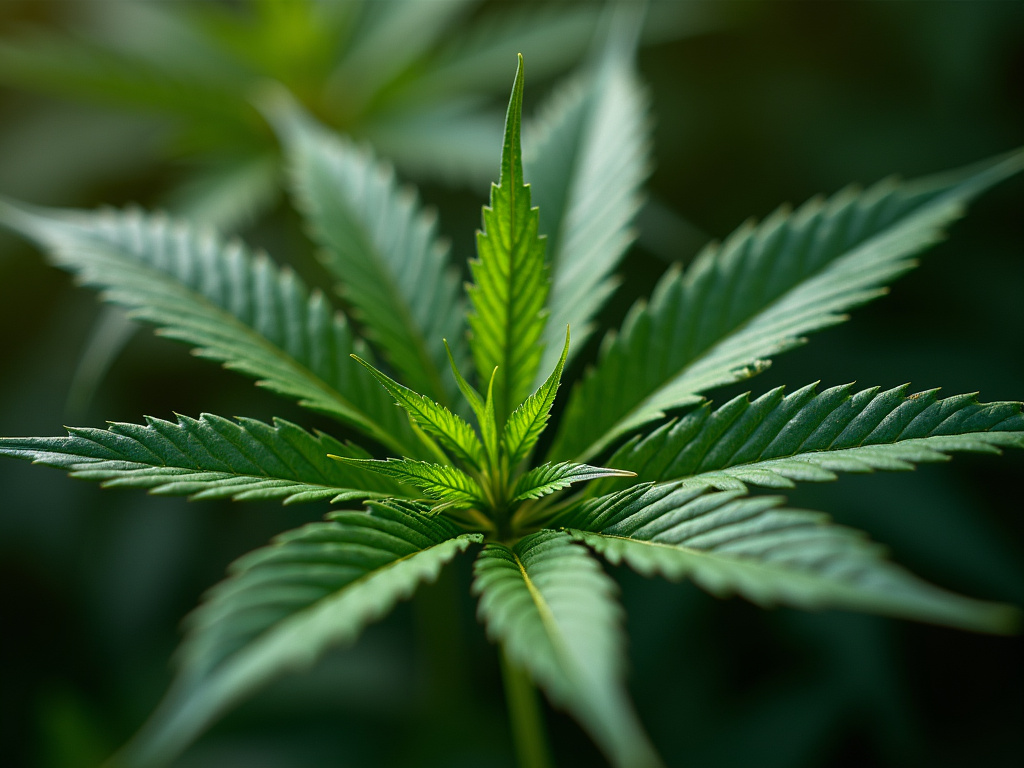
In the changing field of cannabis utilization, the tinctures have emerged as a highly effective and versatile form of consumption. The process of creating the tinctures involves a meticulous blend of science and tradition, with a focus on extracting the plant’s beneficial compounds into a concentrated liquid form. In Bangor, where cannabis cultivation and innovation thrive, the timeline for crafting a high-quality tincture typically spans several weeks. This involves a series of steps: first, the cannabis flowers are carefully harvested and cured, a process that enhances the plant’s terpenes and ensures best potency. Next, these cured flowers are infused in a carrier oil, commonly grape seed or coconut oil, for a predetermined period, often lasting up to 4 weeks, to allow for the transfer of cannabinoids and terpenes into the oil. This infused oil, known as the base, is then strained to remove any plant matter, resulting in a clear extract.
The resulting cannabis tincture is a complex mixture that includes a wide range of compounds, including cannabinoids like THC and CBD, as well as terpenes, which contribute to the plant’s aroma and flavor. A study by the National Institute of Drug Abuse (NIDA) highlighted the diverse therapeutic properties of various terpenes found in cannabis, each offering unique benefits. The final step involves diluting the extract in a solvent-free carrier oil to achieve the desired concentration and flavor profile. Manufacturers often employ herbalists and experts in pharmaceutical science to ensure the safety and efficacy of their tinctures, adhering to guidelines set by regulatory bodies like the Food and Drug Administration (FDA) and the American Herbal Products Association (AHPA).
Once created, these tinctures offer a precise and consistent dosing method, making them a popular choice for consumers seeking a measured and controlled cannabis experience. They can be taken orally, offering a discreet and easy-to-incorporate method into one’s daily routine. The National Center for Complementary and Integrative Health (NCCIH) has recognized the growing body of research supporting the safety and potential health benefits of cannabis, further legitimizing its use for various conditions. However, it’s important to remember that the effects of the tinctures can vary based on individual tolerance and metabolism, making education and consultation with experts vital for responsible use.
Regulatory Considerations for Cannabis Tinctures Production
The production of the tinctures involves a precise dance with regulatory bodies, especially when navigating the legal field of what to expect from the tinctures and their application. In the United States, for instance, the Food and Drug Administration (FDA) and the National Institute of Drug Abuse (NIDA) have been instrumental in shaping the standards and safety protocols for cannabis products. The American Herbal Products Association (AHPA) also matters in providing guidelines for the industry, ensuring that manufacturers adhere to rigorous quality control measures.
When considering the time frame for the tinctures production, it’s important to understand that the process can span several weeks, depending on various factors. In Bangor, Maine, for example, the cultivation and preparation of cannabis for tincture production takes approximately 12–16 weeks, including the growing season and the necessary curing and harvesting periods. This lengthy timeline underscores the importance of strategic planning and the need for cultivators to anticipate market demands and regulatory changes.
The process itself is intricate and requires a deep understanding of botany and chemistry. It involves extracting the desired compounds from the cannabis plant using a solvent, such as ethanol or isopropyl alcohol. This extraction method, known as maceration, requires careful monitoring of temperature and time to ensure the preservation of cannabinoids and terpenes. Once extracted, the solution is often concentrated and then diluted to create the desired potency, which is when the term "tincture" comes into play. This intricate process, when executed correctly, can yield high-quality the tinctures with consistent efficacy.
Herbalists and specialized manufacturers play a vital role in this process, ensuring that the final product meets the required standards. They must adhere to the guidelines set by organizations like AHPA and NIDA, which include rigorous testing for potency, safety, and purity. This testing, often conducted by third-party laboratories, is essential to provide consumers with reliable information about the cannabis tincture’s composition and effectiveness. By embracing these regulatory considerations, the cannabis tincture industry can continue to grow while prioritizing consumer safety and education.
Frequently Asked Questions About Cannabis Tinctures
What are the tinctures?
The tinctures are concentrated extracts of the cannabis plant, created through the careful immersion of cannabis flowers or leaves in a solvent, like ethanol or isopropyl alcohol. This process extracts the plant’s active compounds, including cannabinoids (like THC and CBD) and terpenes, resulting in a potent liquid product. Tinctures are often used for their ease of dosing and rapid absorption, making them a popular choice for those seeking specific medicinal benefits.
How are the tinctures consumed?
The tinctures are primarily consumed orally. A few drops can be added to food, like cookies or smoothies, or placed under the tongue for sublingual absorption. Due to their potency, a few drops are usually sufficient for a dose, allowing for precise control over intake. They offer a versatile way to enjoy the benefits of cannabis throughout the day.
What are the benefits of the tinctures?
Tinctures offer a range of potential therapeutic benefits. Their small size allows for targeted dosing, making them ideal for addressing specific concerns, like anxiety, insomnia, or chronic pain. The rapid absorption rate means effects can be felt quickly, often within minutes. Tinctures can be tailored to individual needs by adjusting the ratio of cannabinoids and terpenes.
Are the tinctures legal?
Legality varies widely depending on location. While some regions have fully legalized cannabis, others have specific restrictions on tinctures, often based on their THC content. It’s important to understand the local laws regarding cannabis products. Many countries and states have decriminalized or medicalized cannabis, but regulations around tinctures can be complex.
What is the difference between CBD and THC tinctures?
CBD (cannabidiol) and THC (tetrahydrocannabinol) tinctures serve different purposes. THC tinctures contain detectable levels of THC, offering psychoactive effects and potential relief from symptoms like stress and pain. CBD tinctures, on the other hand, are THC-free or contain very low levels, providing the benefits of cannabis without the intoxicating effects, making them popular for anxiety and sleep issues.
How should I store my cannabis tincture?
For best quality and safety, store your tincture in a cool, dark place, away from direct sunlight. A tightly sealed glass container with a dropper is ideal. Refrigeration can extend the shelf life, especially for tinctures with higher alcohol content. Check the product’s label for specific storage recommendations.
Can I make my own cannabis tincture?
While DIY tinctures are possible, it’s recommended to purchase from reputable sources. The process requires precise measurements and knowledge of cannabis chemistry. Professional tinctures ensure consistent potency and safety, as they are created in controlled environments using standardized methods and testing.
The tinctures, a complex yet valuable product, offer a precise delivery system for cannabis compounds. Understanding the science behind their efficacy, as supported by the National Institute of Drug Abuse (NIDA) and the National Center for Complementary and Integrative Health (NCCIH), allows for informed consumer choices. The regulatory field, guided by the Food and Drug Administration (FDA) and organizations like the American Herbal Products Association (AHPA), ensures quality and safety, addressing key concerns.
Producers, cultivators, and manufacturers must master the creation process, ensuring consistency and potency, to meet the evolving demand. Herbalists and health professionals can integrate these tinctures into complete practices, leveraging their versatility for targeted treatments.
the tinctures represent a significant advancement in cannabis medicine, combining science, regulation, and accessibility for effective, tailored treatments. The knowledge gained from this article empowers readers to handle this burgeoning field with confidence, underscoring the importance of informed, responsible cannabis use.
Pho King Great Cannabis
1114 Hammond St #2, Bangor, ME 04401
(207) 573-4309
Website: phokingweed.com
View Pho King Great Cannabis on Google Maps
How to get to Pho King Great Cannabis from Bangor Mall
Coming from Bangor Mall? Pho King Great Cannabis is a short drive away. Head out on Stillwater Ave and you'll find us on Hammond St #2 at 1114 Hammond St #2, Bangor, ME 04401. Use the map below for turn-by-turn directions.