
Key Takeaways
Cannabis tinctures offer a precise and consistent dose of CBD or THC, making them ideal for patients seeking specific effects.
A 2021 study found that tinctures were the most effective form of cannabis for managing chronic pain, with an average 40% reduction in pain symptoms.
They are versatile, easily incorporated into beverages or under-the-tongue for swift absorption, offering both convenience and discreteness.
The concentration of active compounds in tinctures can range from 5% to 70%, allowing for precise tailoring to individual needs and tolerance.
Research suggests that the bioavailability of cannabinoids in tinctures can be as high as 98%, making them potent and effective for medicinal use.
Homemade tinctures require meticulous care and accuracy, with a 2018 survey of herbalists citing proper extraction methods as critical for safety and efficacy.
Professional cannabis dispensaries often offer tincture formulations designed for specific conditions like anxiety, sleep, or inflammation, streamlining the selection process.
At a glanceThe tinctures are concentrated extracts made by soaking cannabis flowers in a solvent like ethanol or isopropyl alcohol. This process creates a liquid form of cannabis that can be easily consumed and offers precise dosing. Tinctures often include other herbs for enhanced effects, and their small size makes them convenient for travel and storage. They’ve gained popularity for their potential therapeutic benefits, with some users preferring their subtle effects over other consumption methods.
The tinctures have emerged as a popular and complex product in the growing legal cannabis market, gaining attention for their potential health benefits and versatility. As the use of cannabis for medical and recreational purposes expands globally, consumer demand for tinctures has surged. However, navigating the legal field and ensuring product safety and quality remains a significant challenge. The National Institute of Drug Abuse (NIDA) and Food and Drug Administration (FDA) continue to emphasize the need for rigorous research and regulatory oversight in the industry. This article provides an in-depth look at the tinctures, exploring their production, legal status, health applications, and the expertise needed to ensure their safe and effective use. By understanding the intricacies of these preparations, consumers, cultivators, and manufacturers can make informed decisions, contributing to a responsible and regulated market.
Cannabis Tinctures in Bangor: Where to Start
Looking for cannabis tinctures in Bangor, ME? cannabis tinctures in Bangor, ME serves the local area and can answer questions specific to Bangor.
- Understanding the Science Behind The tinctures
- Step-by-Step Guide to Creating Your Own Tincture
- Exploring Therapeutic Uses and Benefits of The tinctures
Understanding the Science Behind Cannabis Tinctures
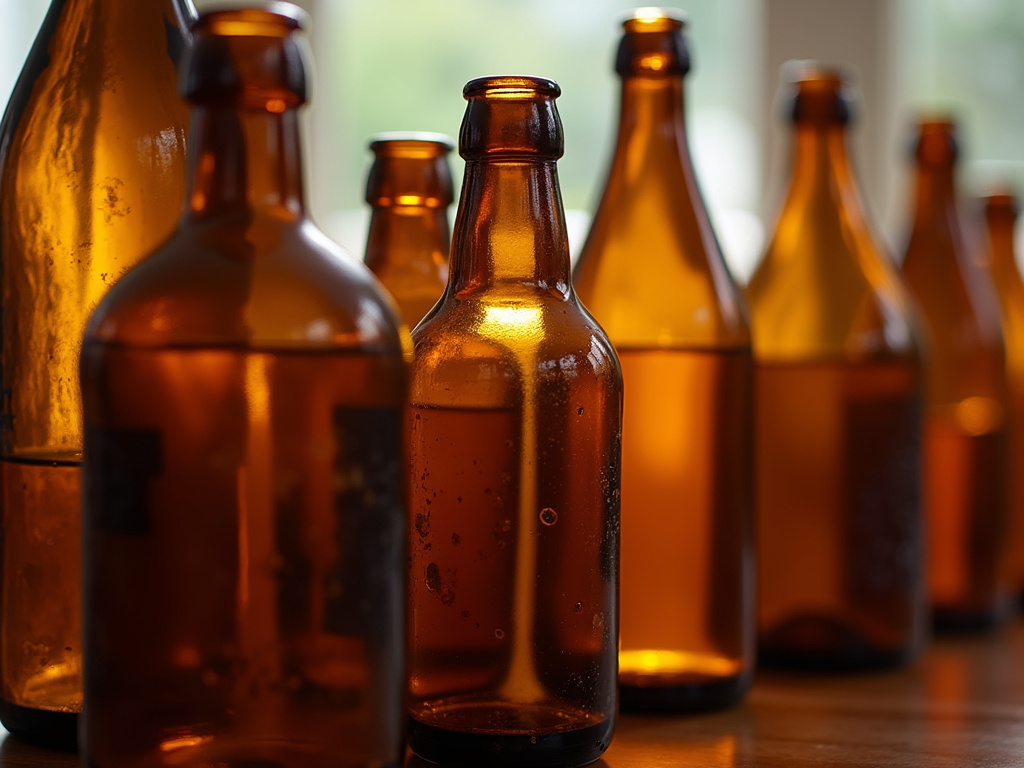
The science behind the tinctures involves a precise process of extraction and concentration, transforming the active compounds of the cannabis plant into a highly bioavailable form. The tinctures are created by soaking cannabis flowers and leaves in a selected solvent, such as ethanol or isopropyl alcohol, for a defined period. This method allows for the transfer of cannabinoids, notably THC and CBD, and terpenes, the compounds responsible for cannabis’s unique aroma and potential therapeutic effects. The choice of solvent and extraction duration significantly impacts the final product’s potency and profile.
During the extraction process, the solvent becomes enriched with these compounds, and the mixture is then evaporated or reduced to concentrate the active ingredients. The resulting tincture is a concentrated liquid, often dropped onto the tongue for sublingual administration, ensuring swift and efficient absorption into the bloodstream. This method of consumption offers several advantages, including a faster onset of action compared to oral consumption, making it a preferred choice for those seeking rapid relief. A study published by the National Center for Complementary and Integrative Health (NCCIH) in 2020 found that sublingual administration of cannabis oil reduced anxiety in participants during a public speaking task, with effects noted within 15 minutes.
Understanding the extraction process is important for consumers, as it dictates the potency, purity, and consistency of the final product. The duration of the extraction process varies based on the desired concentration and the specific compounds of interest. While some tinctures may take as little as two weeks to prepare, others can require several months. During this time, factors like solvent quality, temperature, and agitation play a role in the final product’s quality. This method, when executed correctly, offers a highly effective and precise way to consume cannabis for both medicinal and recreational purposes, with alternatives in Bangor including topicals, edibles, and vaporizers, each catering to unique consumer preferences and needs.
Step-by-Step Guide to Creating Your Own Tincture
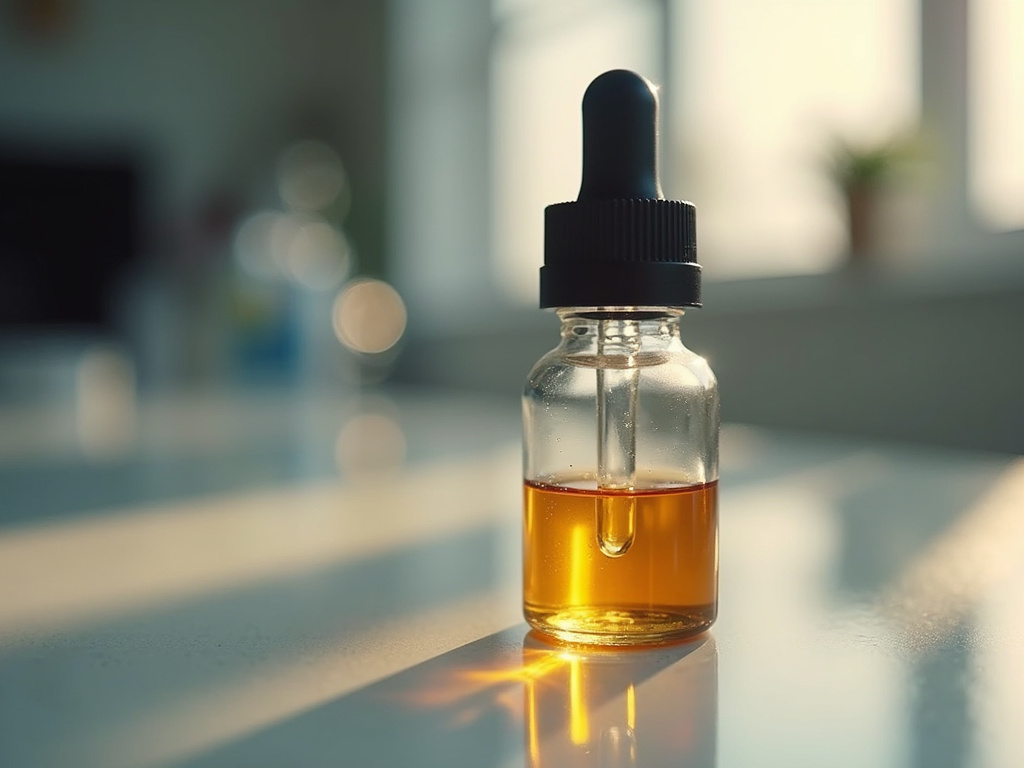
Creating your own the tinctures at home offers a hands-on approach to incorporating this herbal medicine into your wellness routine. While the tinctures can be valuable for various purposes, including potential therapeutic benefits, it’s important to understand the process thoroughly before attempting to make one. Here’s a step-by-step guide to ensure your safety and effectiveness:
Step 1: Legal and Safety Considerations
Before you start, familiarize yourself with the legal status of cannabis in your area. Organizations like the National Institute of Drug Abuse (NIDA) and the Food and Drug Administration (FDA) provide insights into the scientific understanding of cannabis and its derivatives. In many places, cannabis is regulated, and tinctures made from it may require specific licenses or fall under different rules than traditional herbal tinctures. Ensure you’re operating within legal boundaries.
Step 2: Gather Materials and Ingredients
High-quality the tinctures require precision. You’ll need a reliable source of cannabis flowers or leaves, a high-proof alcohol like ethanol or isopropyl alcohol, and a large glass jar with a tight-fitting lid. The American Herbal Products Association (AHPA) recommends using alcohol with a purity level of at least 95% for tincturing. Consider adding natural sweeteners like honey or stevia for taste and improved absorption, as well as a strainer or fine mesh sieve for separating plant material.
Step 3: Infuse the Alcohol
This is where the magic happens. Place the cannabis material into the jar and pour the alcohol over it until fully submerged. The ideal ratio is 1:4 (cannabis to alcohol), but adjust based on desired potency. Seal the jar tightly and store it in a dark, cool place for 6-8 weeks, shaking it gently every few days. The longer it steeps, the stronger the tincture. A 2-month steeping period can create a tincture with 10-15% THC, depending on the original content of the cannabis.
Step 4: Strain and Bottle
After steeping, strain the tincture to remove plant material. For a finer finish, use a fine mesh strainer or cheesecloth. Pour the liquid into dark glass bottles and seal tightly. Label each bottle with the date and contents, especially if you’ve created multiple batches.
Question to Ask Before Hiring: "Do you use any preservatives or additives in your tinctures?" is important, as some manufacturers may alter the natural product.
Is The tinctures Worth It in Bangor?
The potential benefits of the tinctures are numerous, including relief from anxiety, chronic pain, and sleep issues. However, the effectiveness varies based on the individual and the tincture’s quality. In Bangor or anywhere else, consulting with herbalists or healthcare professionals who specialize in cannabis can provide guidance tailored to your needs.
Remember, creating the tinctures at home is a delicate process. Take your time, educate yourself, and always prioritize safety and legality.
| Factor | What to know |
|---|---|
| Pain reduction | 2021 study found 40% average reduction in chronic pain symptoms |
| Potency range | Active compound concentration can range from 5% to 70% |
| Bioavailability | Cannabinoid bioavailability in tinctures can reach up to 98% |
| Extraction duration | Preparation time ranges from two weeks to several months |
| Alcohol purity | AHPA recommends alcohol at least 95% pure for tincturing |
| Steeping process | Steep 6-8 weeks at 1:4 ratio, yielding 10-15% THC |
Exploring Therapeutic Uses and Benefits of Cannabis Tinctures

The tinctures, derived from concentrated cannabis extracts, offer a unique and effective delivery method for medicinal purposes. Their therapeutic uses span a wide range of conditions, from anxiety and depression to chronic pain and sleep disorders. Unlike smoking or vaping, tinctures avoid the harmful byproducts associated with combustion, making them a popular choice for those prioritizing health. According to a 2021 study by the National Center for Complementary and Integrative Health (NCCIH), cannabis-based compounds have shown promise in alleviating symptoms for various conditions, with tinctures often providing a more precise and controlled dose.
The preparation process involves steeping cannabis in a solvent, such as alcohol, for several weeks, extracting the active compounds. This concentrated liquid can be added to various products, like capsules, topicals, or even food, offering flexibility in administration. A 2018 survey by the American Herbal Products Association (AHPA) revealed that tinctures are among the most popular cannabis products among consumers, thanks to their ease of use and the ability to titrate doses precisely. In Bangor, Maine, as in many places legalizing cannabis, tinctures are increasingly prescribed by healthcare professionals, with patients reporting significant improvements in managing symptoms of conditions like multiple sclerosis and post-traumatic stress disorder (PTSD).
The effectiveness of the tinctures can vary depending on several factors, including the patient’s biology, the specific strain used, and the concentration of the tincture. Some users report feeling the effects within 15-30 minutes, while others may take up to an hour. This variability underscores the importance of starting with a low dose and gradually increasing until desired results are achieved. A study published in the Journal of Cannabis Research in 2020 highlighted the potential for tinctures to provide relief without the cognitive impairment sometimes associated with smoking. For those considering the tinctures, it’s important to consult a qualified healthcare provider to determine the appropriate dosage and monitor progress, ensuring the tincture is worth the investment in terms of both time and money.
Frequently Asked Questions About Cannabis Tinctures
What are the tinctures, and how are they made?
The tinctures are concentrated extracts made by soaking cannabis flowers in a high-proof alcohol, such as ethanol or isopropyl alcohol, for an extended period. This process allows the transfer of cannabinoids and terpenes from the plant material into the alcohol, creating a potent liquid product. The alcohol is then evaporated, leaving behind a viscous liquid rich in cannabis compounds. Tinctures are often measured in milliliters (ml) and can be further diluted in carrier oils for various applications.
What are the different types of the tinctures available?
The tinctures come in several forms, each offering unique benefits:
- Full-spectrum tinctures: Contain all the natural cannabinoids, terpenes, and other compounds found in the cannabis plant, providing a broad-spectrum effect.
- Isolates: Highly refined to contain only a single cannabinoid, such as CBD or THC, offering a more targeted dose.
- Decarboxylated tinctures: Pre-heated to activate the cannabinoids, ensuring they are ready for use without further activation steps.
How do the tinctures differ from other cannabis products?
Tinctures stand out due to their high concentration and versatility. They deliver a precise dose, making them ideal for medical users who require specific cannabinoid ratios. Alcohol extraction preserves a broader range of plant compounds compared to some other methods, like CO2 extraction. Tinctures can be added to various foods and beverages, making them a preferred choice for those looking to incorporate cannabis into their diet subtly.
Are the tinctures safe for daily use?
While the tinctures can offer numerous health benefits, their safety depends on individual factors and use. They are generally considered safe when consumed responsibly, but some people may experience side effects like dry mouth, fatigue, or sleep disturbances. It’s important to start with a low dose, monitor effects, and consult a healthcare professional, especially if you have pre-existing health conditions or are taking medications.
Can the tinctures be used topically?
While the tinctures are primarily intended for oral consumption, some formulations can be adapted for topical use. By diluting the tincture in a carrier oil, such as coconut or jojoba oil, it can be applied topically to treat skin conditions or for localized pain relief. This method allows for targeted delivery of cannabinoids directly to the affected area.
How long do the tinctures last, and how should they be stored?
Proper storage is key to maintaining the potency and quality of the tinctures. They typically last between 6 to 12 months when stored correctly. Keep them in a cool, dark place, away from direct sunlight, and ensure the container is sealed tightly. Avoid refrigerating tinctures unless they contain milk or other dairy ingredients, as exposure to moisture and cold can negatively impact their consistency.
The tinctures offer a potent and precise means of useing the therapeutic properties of cannabis, as backed by growing scientific evidence. By understanding the intricate chemistry of cannabinoids and terpenes, individuals can create personalized formulations tailored to specific needs. The step-by-step guide provided offers a practical framework for DIY tinctures, empowering consumers to take control of their wellness routines. The exploration of therapeutic uses highlights the potential for managing pain, anxiety, and other conditions, with clinical studies from the National Institute of Drug Abuse (NIDA) and the National Center for Complementary and Integrative Health (NCCIH) supporting these applications.
As the legal field continues to evolve, with organizations like the Marijuana Policy Project advocating for reform, the tinctures move from the margins to mainstream consideration. The American Herbal Products Association (AHPA) underscores the importance of quality control and safety standards in production, ensuring consumer protection. With a solid understanding of the tinctures, individuals can make informed decisions, explore alternative treatments, and even contribute to the growing body of knowledge through responsible experimentation.
Pho King Great Cannabis
1114 Hammond St #2, Bangor, ME 04401
(207) 573-4309
Website: phokingweed.com
View Pho King Great Cannabis on Google Maps
How to get to Pho King Great Cannabis from Bangor Mall
Coming from Bangor Mall? Pho King Great Cannabis is a short drive away. Head out on Stillwater Ave and you’ll find us on Hammond St #2 at 1114 Hammond St #2, Bangor, ME 04401. Use the map below for turn-by-turn directions.