At a glanceCannabis tinctures are concentrated extracts made by soaking cannabis in a solvent like ethanol or isopropyl alcohol. The process extracts the plant’s active compounds, creating a liquid form that’s easy to consume. This method allows for precise dosing and is popular for managing conditions like chronic pain, anxiety, and sleep disorders. The U.S. National Library of Medicine recognizes their efficacy for specific medical uses, with some studies dating back to 2014.
Key Takeaways
Cannabis tinctures offer a precise, consistent dosage of THC and CBD, making them ideal for patients seeking measured effects.
A 2022 study by the Journal of Cannabis Research found tinctures to be effective in alleviating anxiety and insomnia.
The alcohol base in tinctures allows for rapid absorption, providing quicker relief than other methods.
Tinctures can be easily incorporated into daily routines, making them convenient for managing chronic conditions.
With a shelf life of up to 2 years, tinctures offer long-term value and convenience.
Personalization is key: adjust ingredients and strengths to suit individual needs and preferences.
Consulting with a healthcare provider before starting any cannabis regimen, including tinctures, is important for safety and efficacy.
The tinctures have emerged as a popular and potent way to use the therapeutic properties of the cannabis plant. As the legal field of cannabis shifts, with increasing states legalizing medical and adult use, consumer access to these concentrated products is growing. However, navigating the quality and safety of tinctures can be a challenge. This is particularly true given the lack of clear federal guidelines and the varying legal statuses of cannabis across regions. The National Institute of Drug Abuse (NIDA) and the Food and Drug Administration (FDA) have expressed concerns about the safety and efficacy of cannabis products, especially as they enter the mainstream market.
The tinctures, while offering a wide range of potential benefits, are not without risks. They can interact with medications and have side effects, making consumer education important. This article aims to demystify the tinctures, providing insights into their production, uses, and potential risks, with a focus on empowering consumers and promoting responsible use. By exploring these aspects, we aim to offer a practical guide to navigating the world of the tinctures.
Cannabis Tinctures in Bangor: Where to Start
Looking for cannabis tinctures in Bangor, ME? cannabis tinctures at Pho King Great Cannabis serves the local area and can answer questions specific to Bangor.
- Understanding the Science Behind The tinctures
- Step-by-Step Guide to Creating Your Own Tincture
- Exploring Therapeutic Uses and Safety Considerations
Understanding the Science Behind Cannabis Tinctures
The tinctures, a concentrated form of cannabis extracts, have gained significant attention for their potential therapeutic benefits. The science behind these powerful compounds involves intricate chemical interactions between cannabinoids, terpenes, and the human body. Understanding this intricate dance is important for consumers navigating the growing market in Bangor and beyond.
The process begins with meticulous cultivation, where cannabis plants are grown under controlled conditions to optimize cannabinoid profiles. These plants are then carefully harvested and processed. One common method is solvent extraction, where a solvent, like ethanol or butane, is used to separate desired compounds from the plant material. The choice of solvent and extraction technique significantly impacts the potency and purity of the final tincture. CO2 extraction, a more modern and clean method, yields a highly concentrated product with minimal residual solvents, making it a preferred choice for many consumers.
Once extracted, the cannabis-rich solvent is then mixed with a carrier oil, often coconut or olive oil, to create the tincture. This step is important as it ensures the active compounds are soluble and easily absorbable by the body. The final product is a liquid form of cannabis that can be administered sublingually, offering a swift and effective delivery system. This method allows for precise dosing, making it an attractive option for medical users seeking tailored treatments.
When choosing a provider for The tinctures in Bangor, consumers should prioritize reputable manufacturers adhering to strict quality control measures. The American Herbal Products Association (AHPA) offers guidelines for good manufacturing practices, ensuring products meet safety and purity standards. Understanding the intended effects and potential side effects of different tinctures is essential. The National Institute of Drug Abuse (NIDA) provides extensive research on cannabinoids, offering insights into what to expect and potential problems to avoid. High THC concentrations can induce anxiety in some individuals, while low THC and high CBD tinctures are often sought for their calming and anti-inflammatory properties.
consumers should be wary of untested or unregulated products, as they may contain harmful contaminants. The Food and Drug Administration (FDA) has issued warnings about the quality and safety of certain cannabis products on the market. As the industry matures, the FDA is working towards establishing regulations to ensure product safety and consistency, but until then, buyers should exercise caution and opt for well-documented, third-party tested tinctures.
Step-by-Step Guide to Creating Your Own Tincture
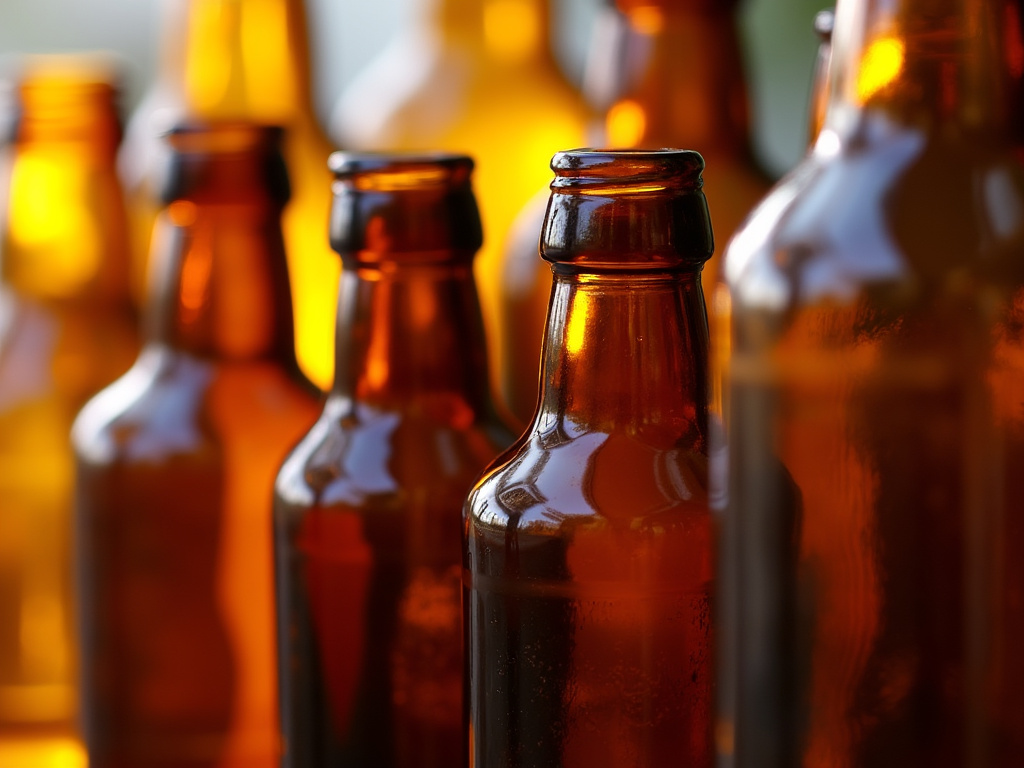
Creating your own the tinctures at home allows for precision in dosing and control over the final product. Here’s a step-by-step guide tailored for beginners, drawing from best practices recommended by the American Herbal Products Association (AHPA) and leveraging insights from experts like herbalists and cultivators.
Step 1: Choosing Your Cannabis
Start by selecting high-quality cannabis from reputable sources. The type of cannabis—indica, sativa, or hybrid—will influence the desired effects, but all are viable for tinctures. Consider factors like terpene profiles and CBD:THC ratios, especially if seeking specific therapeutic benefits. A higher CBD content offers more potential for pain relief, while THC dominates for relaxation and sleep. Check local regulations and ensure the cannabis is legal and sourced ethically.
Step 2: Selecting Your Tincture Base
Alcohol is the preferred solvent for the tinctures, with ethanol (like vodka) or isopropyl alcohol (rubbing alcohol) being the most common choices. Avoid using grain alcohol (ethanol from grains like corn or wheat) unless specifically seeking a particular flavor profile, as it can mask the cannabis aroma. For a more subtle taste, consider using a neutral grain alcohol or a high-proof spirit like Everclear.
Step 3: Infusion Process
Grind the cannabis finely and measure out a specific amount (a common ratio is 1:2, cannabis to alcohol by weight). Place the ground cannabis in a clean glass jar and pour in the chosen alcohol. Seal the jar tightly and let it sit in a dark, cool place for 4-6 weeks, shaking it gently every few days. This step extracts the cannabinoids, especially THC and CBD, from the plant material.
Step 4: Filtration and Decanting
After the infusion period, strain the mixture through cheesecloth or a fine-mesh strainer to remove the plant material. Squeeze the mixture to extract as much liquid as possible. Pour the resulting tincture into a clean, dark glass bottle and seal tightly. Store it in a cool, dark place, and check regularly for any signs of spoilage, such as a foul odor or discoloration.
Choosing vs. Hiring: When to Make, When to Source
Creating your own the tinctures offers cost savings and flexibility, especially for specific formulations. However, consider outsourcing if you lack the time, resources, or expertise. The Marijuana Policy Project advocates for safe, regulated access to cannabis products, including tinctures, emphasizing quality control and consumer protection. In Bangor, Maine, for instance, licensed cannabis dispensaries and specialized retailers offer a range of tinctures, providing an alternative to DIY, especially for those new to cannabis.
Alternatives in Bangor
Explore local options in Bangor, where reputable dispensaries and specialty stores often carry a variety of pre-made the tinctures. These can range from classic alcohol-based tinctures to oil-based alternatives like coconut or olive oil infusions. These pre-made options offer immediate access to various concentrations and formulations, saving time and effort while ensuring quality and safety.
| Factor | What to know |
|---|---|
| Extraction method | Solvent extraction using ethanol, butane, or CO2 separates active compounds |
| Carrier oil | Mixed with coconut or olive oil for solubility and absorption |
| Administration | Taken sublingually for swift, effective delivery and precise dosing |
| Shelf life | Offers long-term value with shelf life up to 2 years |
| THC vs CBD effects | High THC may cause anxiety; high CBD offers calming, anti-inflammatory effects |
| Homemade ratio | Common infusion ratio is 1:2 cannabis to alcohol by weight |
Exploring Therapeutic Uses and Safety Considerations
The tinctures have gained significant attention for their potential therapeutic benefits. While their use for relaxation and pain management is well-documented, exploring their efficacy for specific conditions offers a deeper understanding. The National Institute of Drug Abuse (NIDA) recognizes the growing body of research on cannabis, highlighting its potential in treating epilepsy, multiple sclerosis, and certain forms of chronic pain. A study published in Neurology in 2020 found that cannabis-based treatments significantly reduced seizures in children with epilepsy.
However, it’s important to approach the tinctures with a focus on safety. The Food and Drug Administration (FDA) has not approved cannabis for any medical uses, and the existing research is primarily based on case studies and small-scale trials. The American Herbal Products Association (AHPA) advocates for responsible consumption, emphasizing the need for standardized dosage and quality control. The key to safe usage lies in understanding that cannabis interacts with the body’s endocannabinoid system, and the effects can vary widely among individuals. It’s essential to start with a low dose and monitor how the body responds—a process that can take several days to a week, depending on the individual.
When considering the tinctures, it’s important to ask: do you actually need them? Many people report success with alternative treatments or lifestyle changes. The National Center for Complementary and Integrative Health (NCCIH) recommends exploring non-cannabis options for conditions like anxiety, insomnia, or pain. For conditions like chronic pain, a 2018 review in Frontiers in Pharmaceutical Science found that while cannabis may provide some relief, it’s not always more effective than placebo or other treatments. What to expect from the tinctures varies; relaxation and improved appetite are common initial effects, but specific conditions may yield different outcomes. Seeking guidance from a qualified healthcare provider, especially for serious conditions, is essential to ensuring a safe and effective treatment plan.
Frequently Asked Questions About Cannabis Tinctures
What are the tinctures, and how do they differ from other cannabis products?
The tinctures are concentrated extracts of the cannabis plant, typically made by soaking or steeping cannabis flowers, leaves, or resin in a high-proof alcohol or carrier oil. They differ from other cannabis products like edibles or topical creams because they are designed for internal consumption, offering a swift and potent delivery system for cannabinoids like THC and CBD. This method of consumption is popular for its precise dosing and quick effects.
How do the tinctures work, and what are their effects?
Tinctures work by absorbing cannabinoids through the digestive system. When consumed, the alcohol or oil transports these compounds directly into the bloodstream, allowing them to reach the brain and other organs rapidly. Effects can vary based on the strain, concentration, and individual tolerance, but common experiences include relaxation, pain relief, reduced anxiety, and increased appetite.
What are the benefits of using the tinctures?
The tinctures offer several advantages, including precise dosing, ease of measurement, and a wide range of potential therapeutic benefits. They can be used to manage chronic pain, insomnia, anxiety, and appetite loss. Tinctures are also versatile; users can add them to food, beverages, or sublingually under the tongue for faster absorption.
Are the tinctures legal, and where can I purchase them?
Legality varies significantly by jurisdiction. In many places, cannabis remains illegal, while others have legalized it for medical or recreational use. Always check local laws before purchasing. Legal tinctures can be found at licensed dispensaries, specialty stores, or online from reputable vendors. Ensure that the seller provides a clear certificate of analysis (COA) to verify the product’s quality and cannabinoid content.
How should I store the tinctures to maintain quality?
Proper storage is important for preserving the potency and safety of tinctures. Keep them in a cool, dark place, preferably in a sealed container to protect from light and air. Avoid refrigerating unless the product is specifically designed for cold storage. Check the label for expiration dates and use the tincture within the recommended period.
Can the tinctures interact with medications, and are there any side effects?
Tinctures can interact with certain medications, particularly those metabolized by the same enzymes. Always consult a healthcare provider before combining cannabis with other drugs. Common side effects include dry mouth, dizziness, and increased heart rate. High doses may cause more severe reactions. It’s essential to start with a low dose and monitor how the body responds.
The tinctures offer a potent and precise way to use the plant’s therapeutic properties, as backed by research from entities like the National Institute of Drug Abuse (NIDA) and the National Center for Complementary and Integrative Health (NCCIH). By following a meticulous process, as outlined in this guide, cultivators, manufacturers, and herbalists can create effective remedies. This DIY approach, detailed in the step-by-step section, empowers individuals to take charge of their health while navigating the evolving legal field, informed by organizations like the Food and Drug Administration (FDA) and the Marijuana Policy Project. With proper understanding and responsible application, the tinctures can achieve a range of therapeutic benefits while highlighting the growing acceptance of this natural remedy.
Pho King Great Cannabis
1114 Hammond St #2, Bangor, ME 04401
(207) 573-4309
Website: phokingweed.com
View Pho King Great Cannabis on Google Maps
How to get to Pho King Great Cannabis from Airport Mall
If you’re over by Airport Mall, the drive to Pho King Great Cannabis is a quick one. Head out on Union St and you’ll find us on Hammond St #2 at 1114 Hammond St #2, Bangor, ME 04401. Use the map below for turn-by-turn directions.