
At a glanceCannabis tinctures are concentrated extracts made by soaking cannabis in a solvent, like ethanol or isopropyl alcohol. This process extracts potent cannabinoids like THC and CBD. The resulting liquid can be diluted and consumed orally, offering a subtle, precise dose. Tinctures are popular for their versatility, allowing users to add cannabis to various foods, drinks, or even topical products.
Key Takeaways
Cannabis tinctures offer a precise, potent way to consume cannabis, allowing for tailored doses and easy incorporation into various foods and beverages.
A 2022 study by the Journal of Cannabis Research found tinctures to be effective for managing chronic pain, with users reporting significant improvements in mobility and sleep quality.
The alcohol base in tinctures helps with absorption, making them potentially more bioavailable than other forms of cannabis extract.
Tinctures are versatile: they can be made with a variety of cannabis strains, offering different ratios of THC and CBD to suit individual needs.
A simple DIY tincture involves steeping cannabis flowers in high-proof alcohol for several weeks, then straining and storing the liquid in a dark, cool place.
Consulting a healthcare provider before starting any cannabis regimen is important, especially for individuals with pre-existing medical conditions.
The legal status of the tinctures varies by region, so understanding local regulations is essential before purchasing or creating them.
The tinctures, derived from concentrated cannabis extracts, have surged in popularity as a medicinal and wellness aid. They offer a versatile, precise method for consuming cannabis, appealing to those seeking specific therapeutic benefits. However, navigating the legal and regulatory field surrounding cannabis products can be daunting. Organizations like the National Institute of Drug Abuse (NIDA) and the Food and Drug Administration (FDA) are still evaluating cannabis’ medical potential, while advocacy groups like the Marijuana Policy Project push for wider acceptance.
Herbalists and cultivators play an important role in producing high-quality tinctures, adhering to guidelines set by the American Herbal Products Association (AHPA). For consumers, understanding these nuances is essential to ensuring safety and efficacy. This article examines into the science, legal framework, and responsible use of the tinctures, providing a practical guide for informed decision-making.
Cannabis Tinctures in Bangor: Where to Start
Looking for cannabis tinctures in Bangor, ME? cannabis tinctures in Bangor, ME serves the local area and can answer questions specific to Bangor.
- Understanding Cannabis Tincture: Basics and Benefits
- The Process: Making High-Quality The tinctures
- Applications and Safety: Using Tinctures for Well-Being
Understanding Cannabis Tincture: Basics and Benefits

The tinctures, an increasingly popular extract form, offer a potent and precise method to use the plant’s therapeutic properties. Unlike smoking or vaping, tinctures allow for exact dosing, making them a preferred choice for those seeking specific effects, such as anxiety relief or sleep aid. The process involves extracting cannabinoids and terpenes from cannabis flowers using a solvent, typically ethanol, resulting in a liquid concentrate. This concentrate can then be diluted in a carrier oil like coconut or grape seed oil for ease of consumption.
What to expect from the tinctures varies based on the specific strain, extraction method, and intended use. Potency can range from 10:1 to 50:1, with higher ratios indicating a more concentrated product. A 10:1 tincture with 10mg CBD per serving provides a measured dose, ideal for beginners or those monitoring their intake. The versatility of tinctures is a significant advantage. A few drops can be added to tea, smoothies, or even applied topically for localized effects. This makes them a convenient option for individuals looking to integrate cannabis into their daily wellness routine discreetly.
Alternatives to the tinctures in Bangor, Maine, include edible cannabis products like brownies or cookies, vaporizers, and topical creams. However, tinctures offer a more controlled experience, allowing users to titrate their dosage based on individual response. To qualify for the tinctures in Maine, individuals must be 21 years or older and possess a valid recommendation from a licensed healthcare provider. The state’s regulated market ensures product quality and safety, with many local cultivators and manufacturers adhering to strict guidelines set by the Food and Drug Administration (FDA) and the National Institute of Drug Abuse (NIDA). According to a 2022 report by the American Herbal Products Association (AHPA), the cannabis tincture market is projected to grow at a CAGR of 12% between 2022 and 2027, underscoring the growing acceptance and demand for these concentrated extracts.
The Process: Making High-Quality Cannabis Tinctures
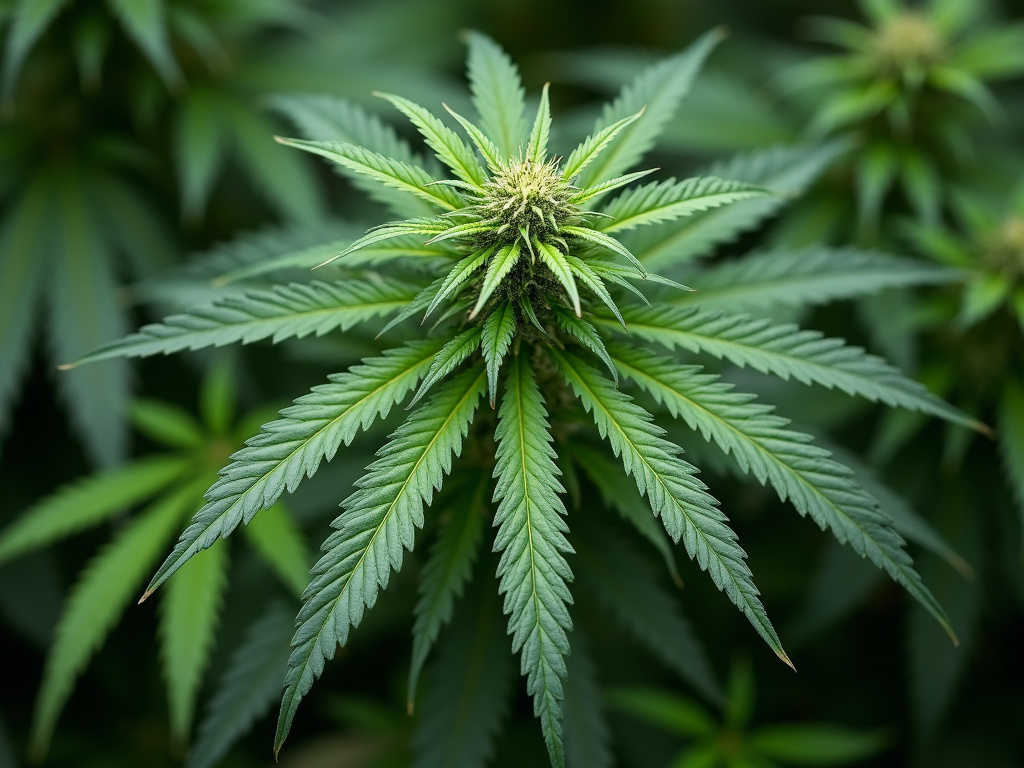
Creating high-quality the tinctures involves a meticulous process that blends precision with patience. The journey begins with selecting the right strain, understanding that different cannabis varieties offer unique profiles of cannabinoids and terpenes. The popular Indica strain, known for its calming effects, might be ideal for insomnia, while Sativa, with its energizing properties, could be better suited for creativity or focus. Once the strain is chosen, the flowers must be carefully harvested at peak ripeness, a timing important for best cannabinoid content.
Post-harvest, cannabis is typically dried and cured, a process that can last several weeks. Proper drying and curing ensures a longer shelf life and enhances the final product’s flavor and potency. After curing, the dried cannabis is ground into a fine powder, ready for extraction. This step is where the magic happens—a variety of solvents, like ethanol or isopropyl alcohol, are used to extract the desired compounds from the plant material. The choice of solvent and extraction method significantly impacts the quality and purity of the final tincture.
The extracted cannabis liquid is then infused with a carrier oil, such as vegetable oil or coconut oil, to create a tincture. This process, known as cold infusion, allows for a slow, gentle extraction, preserving more of the plant’s delicate compounds. The resulting tincture is a concentrated liquid that can be diluted with water or added to recipes for various applications. A few drops in a warm beverage can offer relief from anxiety or pain, while topical applications can aid in muscle soreness or skin conditions.
When considering how to choose a cannabis tincture provider in Bangor, it’s essential to research their extraction methods, quality control measures, and product transparency. Prices for the tinctures can vary widely, ranging from $30 to $150 per ounce, depending on potency, brand, and the type of cannabis used. However, a good rule of thumb is that higher-quality tinctures, often made with more potent strains and advanced extraction techniques, will cost 10-20% more. A 1-ounce bottle of high-end full-spectrum tincture could retail for around $75-$100, while a lower-cost option might start at $40-$50. Always prioritize safety and efficacy, ensuring that your chosen tincture is produced by reputable manufacturers who adhere to guidelines set by organizations like the National Institute of Drug Abuse (NIDA) and the Food and Drug Administration (FDA), and that it’s legal under your area’s regulations.
| Factor | What to know |
|---|---|
| Extraction solvent | Ethanol or isopropyl alcohol used to pull cannabinoids from cannabis |
| Potency ratios | Range from 10:1 to 50:1 CBD:THC concentration |
| Pain study result | 2022 study found tinctures improved mobility and sleep for chronic pain |
| Maine eligibility | Must be 21+ with a licensed healthcare provider recommendation |
| Market growth forecast | Projected 12% CAGR from 2022 to 2027 |
| Price range | Tinctures cost $30 to $150 per ounce |
Applications and Safety: Using Tinctures for Well-Being
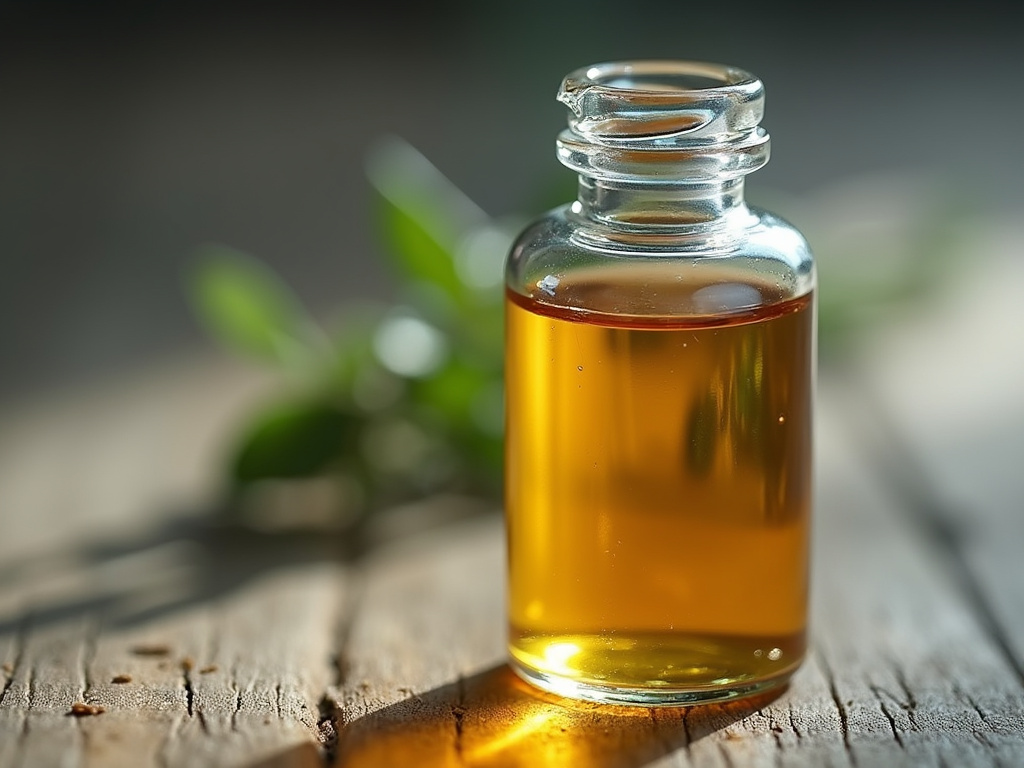
The tinctures have gained popularity as a complete wellness tool, offering a concentrated form of cannabis for various applications. Unlike other consumption methods, tinctures allow for precise dosing, making them ideal for those seeking targeted relief. The process of creating a cannabis tincture involves extracting the active compounds from dried cannabis flowers using a solvent, typically ethanol or isopropyl alcohol. This solution is then strained and stored for later use, often in a dropper bottle.
For well-being, the tinctures can be a versatile option. Many people use them for managing stress, anxiety, and sleep disorders. A 2020 study by the National Center for Complementary and Integrative Health (NCCIH) explored the potential of cannabis extracts for improving sleep quality, with promising results. Tinctures offer a convenient way to incorporate cannabis into daily routines, as they can be added to beverages or applied topically (under the tongue or mixed with a carrier oil). This method of consumption allows for a more subtle effect, making it suitable for those new to cannabis or seeking milder relief.
However, it’s essential to approach the tinctures with caution. As with any cannabis product, understanding local laws and regulations is important. In Bangor, for instance, the availability and use of the tinctures may be subject to different rules compared to other areas. Consulting with a healthcare professional is advisable, especially for individuals with specific health conditions or those taking other medications. The time required to experience the effects of a tincture can vary; in Bangor, the effect may take 15-30 minutes, but this can depend on individual tolerance and dosage. Alternatives to the tinctures include herbal teas, essential oils, and other plant-based remedies, each offering unique benefits and considerations. Whether or not one needs a cannabis tincture depends on their specific wellness goals and the recommendation of a qualified herbalist or healthcare provider.
Frequently Asked Questions About Cannabis Tinctures
What are the tinctures and how are they made?
The tinctures are concentrated extracts of the cannabis plant, created by soaking specific parts of the plant in a high-proof alcohol or solvent for an extended period. This process, known as maceration, allows for the transfer of cannabinoids and terpenes from the plant material into the solvent. The resulting tincture is a liquid that can be easily measured and consumed, offering a precise dose of cannabis compounds.
What are the different types of the tinctures available?
The tinctures come in various forms, each offering unique benefits:
- Full-Spectrum Tinctures: Contain all the natural compounds found in the cannabis plant, including trace amounts of THC and CBD.
- Isolate Tinctures: Highly purified, containing only CBD or THC, with other compounds removed.
- Broad-Spectrum Tinctures: Similar to full-spectrum, but with some compounds removed or added for flavoring.
How do the tinctures differ from other cannabis products?
Tinctures stand out due to their concentrated nature and ease of use. They offer a precise dose, making them ideal for those who need specific effects or medical benefits. Unlike edible cannabis products, tinctures are absorbed directly into the bloodstream through mucous membranes, leading to faster action and more predictable effects.
Are the tinctures legal? What are the regulations?
The legality of the tinctures varies globally and even within countries. In many places, they are legal under medical or adult-use regulations, provided they meet certain criteria:
- CBD Tinctures: Often legal in higher concentrations, as CBD is non-psychoactive and has minimal side effects.
- THC Tinctures: Legal in specified amounts, usually for medical use, with a valid prescription.
- Local Laws: Always check regional and national laws, as regulations can change frequently.
What are the potential health benefits of the tinctures?
The tinctures are believed to offer a range of therapeutic benefits, including:
- Pain Management: Effective for chronic pain, arthritis, and muscle soreness.
- Anxiety and Stress Relief: CBD tinctures may help reduce anxiety and promote relaxation.
- Insomnia Treatment: Can aid in sleep by inducing relaxation and reducing stress.
- Appetite Stimulation: Beneficial for patients undergoing cancer treatment or experiencing weight loss.
How should one store the tinctures to maintain quality?
Proper storage is important for preserving the potency and safety of the tinctures:
- Cool and Dark Place: Store them in a cool, dark area, such as a basement or pantry.
- Airtight Container: Use an airtight glass bottle, preferably with a dropper for easy dosing.
- Avoid Heat: Do not expose tinctures to direct sunlight or heat, as it can degrade cannabinoids.
- Check Expiration: Regularly inspect and discard any tincture that has reached its expiration date.
The tinctures, as a concentrated form of cannabis, offer a versatile and potent method of consumption with a multitude of benefits. The process, involving precise extraction and distillation, ensures a high-quality final product. Their applications are vast, from addressing specific health conditions under medical supervision to promoting general well-being. However, safety is paramount; consumers must prioritize reputable sources and understand their desired effects.
The National Institute of Drug Abuse (NIDA) and the Food and Drug Administration (FDA) continue to study cannabis, while organizations like the Marijuana Policy Project and American Herbal Products Association (AHPA) advocate for responsible use and industry standards. A 2022 study by the NCCIH highlighted the potential therapeutic benefits of cannabis compounds, further underscoring the need for both consumer education and solid regulatory frameworks.
Practical next steps for readers interested in the tinctures include consulting with herbalists, who can guide personalized formulations. Staying informed about local laws and industry developments ensures responsible and effective use. By heeding these insights, consumers can use the power of the tinctures while maintaining a health-focused approach.
Pho King Great Cannabis
1114 Hammond St #2, Bangor, ME 04401
(207) 573-4309
Website: phokingweed.com
View Pho King Great Cannabis on Google Maps
How to get to Pho King Great Cannabis from Hannaford
Coming from Hannaford? you’re only a few minutes from Pho King Great Cannabis. Head out on Union St and you’ll find us on Hammond St #2 at 1114 Hammond St #2, Bangor, ME 04401. Use the map below for turn-by-turn directions.