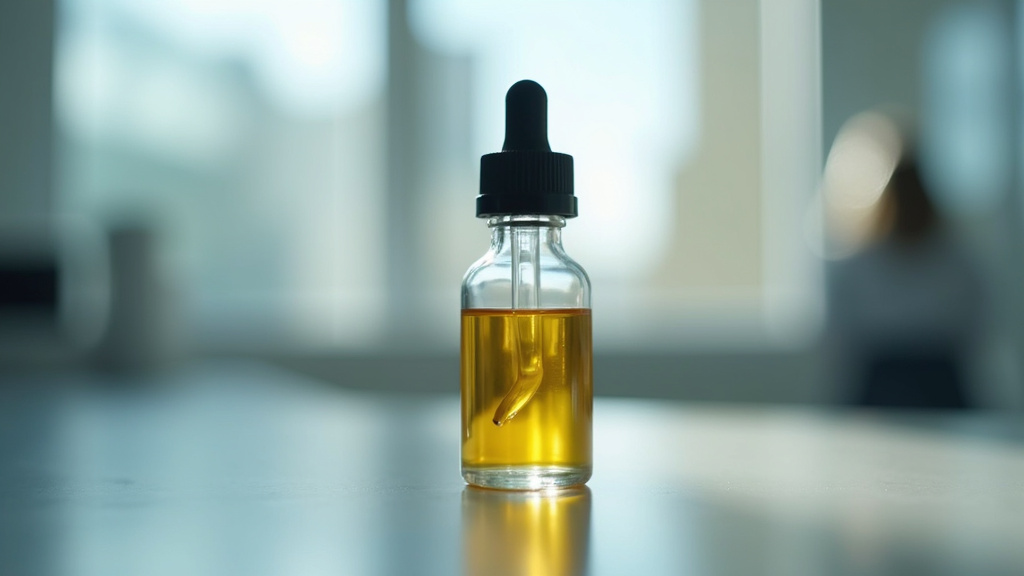
At a glanceCannabis tinctures are concentrated, liquid forms of cannabis, offering a versatile way to consume the plant’s compounds. They’re made by soaking cannabis flowers in a solvent, like ethanol or isopropyl alcohol, for several weeks. This process extracts the active ingredients, creating a potent liquid that can be used in various ways, from drops under the tongue to added to food and beverages. This method dates back centuries, with early records showing its use in traditional medicine.
Key Takeaways
Cannabis tinctures offer a precise and versatile method for consuming cannabis, allowing for tailored doses and easy integration into various beverages and recipes.
According to a 2022 market report, the global cannabis tinctures market is projected to reach USD 1.5 billion by 2027, highlighting their growing popularity.
The alcohol base in tinctures acts as a solvent, effectively extracting a wide range of cannabinoids and terpenes from the plant material.
A study published in the Journal of Cannabis Research (2020) found that tinctures can deliver cannabinoids more efficiently than edibles, making them a potent option for relief.
For patients with digestive issues, tinctures can be advantageous as they bypass the gut and can be absorbed directly into the bloodstream through sublingual administration.
Experimenting with different cannabis strains and extraction methods in tinctures allows individuals to personalize their treatment based on specific symptom profiles and desired effects.
Proper labeling and storage of the tinctures are important; follow recommended dilutions, expiration dates, and keep them out of reach of children for safety.
The tinctures, derived from concentrated cannabis extracts, have surged in popularity as a medicinal and recreational option, reflecting a growing acceptance of cannabis as a valid therapeutic agent. However, navigating the legal field surrounding cannabis products can be confusing, especially as regulations evolve. Organizations like the National Institute of Drug Abuse (NIDA) and the Food and Drug Administration (FDA) play important roles in research and safety standards, while groups like the Marijuana Policy Project advocate for policy reform.
Cannabis Tinctures in Bangor: Where to Start
Looking for cannabis tinctures in Bangor, ME? cannabis tinctures Maine serves the local area and can answer questions specific to Bangor.
Despite these advances, consumers often struggle to discern quality and safety in the market. This article provides an in-depth guide to the tinctures, exploring their preparation, potential benefits, and considerations for responsible consumption, backed by insights from the American Herbal Products Association (AHPA) and the National Center for Complementary and Integrative Health (NCCIH). We aim to empower consumers and practitioners alike.
- Understanding Cannabis Tincture: Composition and Benefits
- The Craft of Preparation: Step-by-Step Guide to Making Tinctures
- Therapeutic Applications: Using Tinctures for Health and Wellness
Understanding Cannabis Tincture: Composition and Benefits

The tinctures, derived from the cannabis plant, have gained significant interest in recent years for their potential therapeutic benefits. Unlike smoked cannabis, tinctures are not combusted, avoiding harmful byproducts. The process of extracting cannabinoids and terpenes from the plant material using a solvent, such as ethanol or isopropyl alcohol, results in a concentrated liquid form. One of the key advantages of the tinctures is their versatility. They can be consumed sublingually, added to food or beverages, or even topically applied for localized effects.
The composition of the tinctures is important to understanding their benefits. They contain a wide range of chemical compounds, including cannabinoids like THC and CBD, and terpenes, which offer aromatic and potential therapeutic properties. Linalool, a terpene found in lavender, is known for its calming effects, while myrcene, prevalent in cannabis strains like Blue Mass, exhibits anti-inflammatory properties. The specific ratios of these compounds in the tincture determine its unique effects, making personalized selection vital. When considering what are the alternatives to the tinctures in Bangor, local herbalists and cultivators often offer extracts, oils, and infused products, each with its own merits and applications.
Choosing a reliable provider for the tinctures in Bangor requires careful consideration. It’s essential to ask about the source of the cannabis, extraction methods, and testing procedures. Reputable manufacturers adhere to Good Manufacturing Practices (GMP) and are transparent about their processes, ensuring product safety and quality. The American Herbal Products Association (AHPA) offers guidance and certification for herbal product manufacturers, promoting industry standards. Understanding the intended use and desired effects of the tincture is important. Whether seeking relief from anxiety, managing chronic pain, or improving sleep, knowing what to look for and questions to ask can lead to a more satisfying and effective cannabis tincture experience.
The Craft of Preparation: Step-by-Step Guide to Making Tinctures

The craft of preparing the tinctures involves a meticulous process that has gained popularity among consumers seeking alternative medicinal options. Tinctures, concentrated extracts of cannabis, offer a versatile and effective means of delivering cannabinoids like THC and CBD. The preparation process, however, requires precision and a deep understanding of cannabis biology and chemistry. Typically, crafting a high-quality tincture takes approximately 2-3 weeks, depending on the desired strength and the quality of the starting material.
The first step in this journey involves selecting the right cannabis strain, a choice that significantly impacts the final product. Indica strains often yield tinctures with higher CBD content, making them popular for anxiety relief, while Sativa varieties may offer more potent THC levels, favored for energy and creativity boosts. Once the strain is chosen, the plant material must be carefully harvested, dried, and cured. Proper curing, typically lasting 4-6 weeks, ensures the best conversion of cannabinoids and terpenes, enhancing both potency and flavor.
Next, the cured cannabis is ground into a fine powder, which is then mixed with a high-proof alcohol base, such as ethanol or isopropyl alcohol. This mixture is left to steep, a process that can last anywhere from 4 to 8 weeks, depending on desired potency. During steeping, the alcohol acts as a solvent, extracting the cannabinoids and terpenes from the plant material. After steeping, the mixture is strained to separate the liquid extract from the solids. The resulting tincture can then be diluted with carrier oils like coconut or olive oil to achieve the desired concentration.
Before commissioning the preparation of a cannabis tincture, it’s important to ask several questions to ensure quality and safety. These include inquiries about the source and testing of the cannabis, the purity of the alcohol used, and the expertise of the preparer. The American Herbal Products Association (AHPA) and the National Institute of Drug Abuse (NIDA) emphasize the importance of thorough testing for contaminants and potency, underscoring the need for a reputable preparer who adheres to these standards.
Choosing the right tincture involves considering personal needs and preferences. A patient seeking pain relief might opt for a higher CBD tincture, while someone looking for a boost in mental focus might prefer a tincture with a more balanced CBD:THC ratio. Understanding the delivery method—swallowing, sublingual administration, or topical application—helps in selecting the appropriate tincture. The National Center for Complementary and Integrative Health (NCCIH) provides valuable resources on using cannabis products for various conditions, guiding consumers in their choice.
| Factor | What to know |
|---|---|
| Preparation time | Takes about 2-3 weeks depending on desired strength and material quality |
| Steeping duration | Plant material steeps in alcohol for 4 to 8 weeks |
| Curing process | Cannabis cured for 4-6 weeks to boost potency and flavor |
| Strain selection | Indica favors CBD/anxiety relief; Sativa favors THC/energy effects |
| Market projection | Global cannabis tinctures market projected to reach USD 1.5 billion by 2027 |
| Delivery efficiency | 2020 study found tinctures deliver cannabinoids more efficiently than edibles |
Therapeutic Applications: Using Tinctures for Health and Wellness
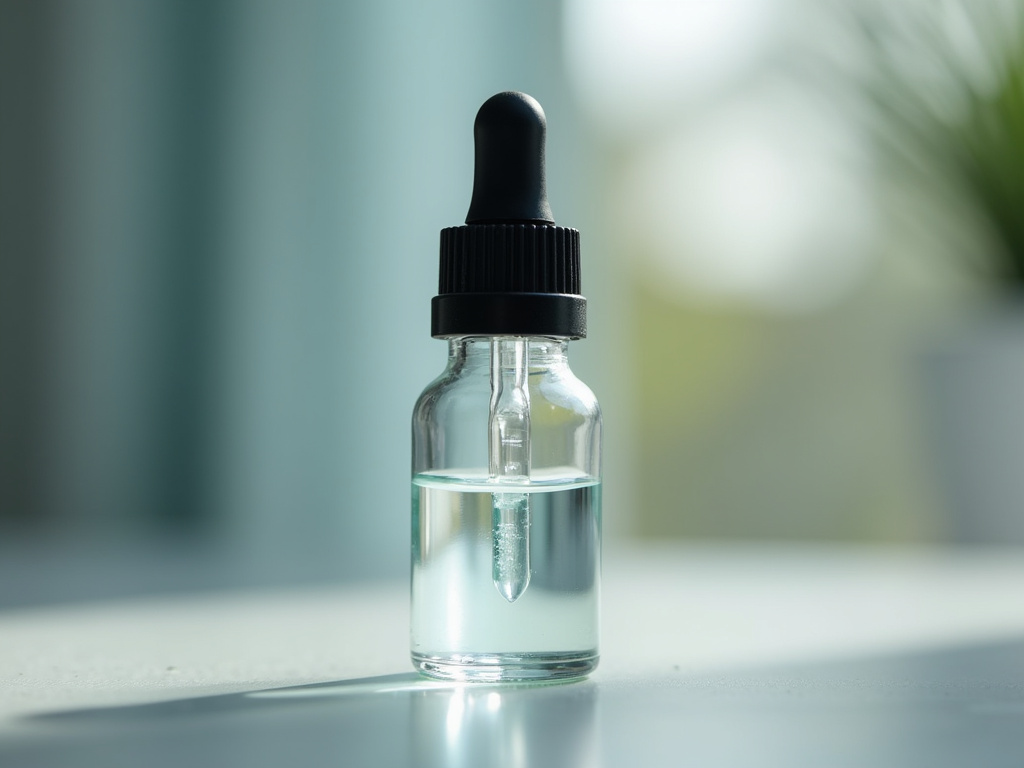
The tinctures have gained significant attention for their potential therapeutic applications, offering a wide range of health and wellness benefits. These concentrated extracts, derived from cannabis plants, are used to create powerful remedies that target specific ailments. The process of creating tinctures involves soaking cannabis flowers in a solvent, typically ethanol or isopropyl alcohol, for an extended period, allowing for the transfer of cannabinoids and terpenes into the solvent. The resulting liquid is a potent form of cannabis that can be easily consumed and measured, making it a popular choice for those seeking alternative treatments.
When considering the use of the tinctures, it’s important to understand their versatility and efficacy. Many patients use tinctures to manage chronic pain, with some studies suggesting that cannabis compounds can interact with the body’s endocannabinoid system to reduce inflammation and alleviate discomfort. Tinctures are also popular for addressing anxiety and sleep disorders, offering a calming effect that can improve overall mental health. A 2020 survey by the National Center for Complementary and Integrative Health (NCCIH) revealed that approximately 3.5 million Americans have used cannabis for its medicinal properties, with tinctures being a preferred method for many.
However, when exploring the tinctures, one must also weigh their alternatives. In Bangor, Maine, for instance, patients have several options, including topicals, edibles, and vaporizers. Each has its advantages and may be more suitable depending on the desired outcome. Topicals are ideal for localized pain relief, while edibles offer a broader spectrum of effects, making them suitable for general wellness. Understanding these alternatives and their unique properties is essential before making a choice. Patients should also inquire about the source and quality of the cannabis used, asking questions like, "Where does the cannabis come from?" and "What is the extraction process?" Ensuring a reliable and safe product is paramount, especially given the evolving legal field surrounding cannabis. As of 2022, 18 states and the District of Columbia have legalized cannabis for medical use, further underscoring the need for informed consumer decisions.
Frequently Asked Questions About Cannabis Tinctures
What are the tinctures?
The tinctures are concentrated liquid extracts of cannabis plants, typically made by soaking or steeping parts of the plant (such as leaves or flowers) in a solvent like ethanol or isopropyl alcohol for an extended period. This process extracts the active compounds, including cannabinoids (like THC or CBD) and terpenes, into the solvent, resulting in a potent liquid form. Tinctures are known for their ease of use and flexibility, as they can be added to various foods, beverages, or topically applied for targeted relief.
How are the tinctures used?
The tinctures offer a versatile method for consuming cannabis. Users can add a few drops to food or beverages, such as smoothies, tea, or baked goods, allowing for precise dosing. They can also be applied topically, like a lotion or ointment, for localized effects, particularly for conditions like arthritis or muscle soreness. Tinctures are popular for their discreet use and ability to deliver a wide range of cannabinoids and terpenes, offering potential therapeutic benefits.
What is the difference between the tinctures and other forms?
While the tinctures share their primary active compounds with other forms like edibles or vape cartridges, the preparation method and final product differ. Tinctures have a higher concentration of cannabinoids per volume, making them more potent. Unlike edibles, tinctures don’t require digestion, allowing for quicker effects. They also avoid the decarboxylation process used in many other forms, preserving more terpenes, which contribute to the plant’s aroma and potential therapeutic effects.
Are the tinctures legal?
The legality of the tinctures varies worldwide and even within countries. In many places, the use and possession of cannabis are legalized for both medical and recreational purposes, with tinctures falling under these laws. However, some regions still consider the tinctures or cannabis use in general illegal. It’s important to understand local laws and regulations regarding cannabis products to ensure compliance.
How do I make a cannabis tincture at home?
Creating a cannabis tincture at home involves careful preparation and attention to safety. Start by harvesting and preparing high-quality cannabis material. Soak or steep the plant material in a chosen solvent, like ethanol or isopropyl alcohol, for several weeks, occasionally shaking or stirring the mixture. Filter the mixture to remove plant matter, and then evaporate the solvent to obtain the tincture. It’s essential to follow precise ratios and measurements and use proper sanitation practices throughout the process.
What is the recommended dosage for the tinctures?
Dosage for the tinctures is highly individual and depends on factors like the user’s tolerance, the concentration of the tincture, and the intended purpose. It’s recommended to start with a low dose and gradually increase until the desired effects are achieved. A common starting point is 1-2 drops of tincture, up to three times daily, but users should always consult with a healthcare provider or cannabis clinician for personalized guidance.
The tinctures offer a powerful and versatile way to use the benefits of the cannabis plant, backed by growing scientific evidence. The process of creating these concentrated extracts, as detailed in this guide, allows for precise control over dosage and delivery methods. From pain relief and anxiety reduction to potential support for sleep and immune function, the therapeutic applications of the tinctures are extensive.
Herbalists and cultivators alike can create effective, personalized remedies by following the step-by-step preparation process outlined here. This approach ensures purity and potency, important factors when dealing with a complex plant like cannabis. The National Center for Complementary and Integrative Health (NCCIH) emphasizes the importance of quality control and education, aligning with the American Herbal Products Association (AHPA)’s standards for responsible cannabis production.
As the legal field evolves, with initiatives like those supported by the Marijuana Policy Project pushing for greater accessibility, the tinctures emerge as valuable tools for health and wellness. With proper knowledge and guidance, individuals can take advantage of the growing body of research, as backed by the National Institute of Drug Abuse (NIDA), to incorporate these natural remedies into their routines. Tinctures can be easily incorporated into daily routines, offering a convenient and effective way to support overall well-being.
Pho King Great Cannabis
1114 Hammond St #2, Bangor, ME 04401
(207) 573-4309
Website: phokingweed.com
View Pho King Great Cannabis on Google Maps
How to get to Pho King Great Cannabis from Hannaford
Coming from Hannaford? you’re only a few minutes from Pho King Great Cannabis. Head out on Union St and you’ll find us on Hammond St #2 at 1114 Hammond St #2, Bangor, ME 04401. Use the map below for turn-by-turn directions.