Key Takeaways
Cannabis tinctures offer a precise, concentrated dose of cannabinoids, making them ideal for users seeking targeted relief.
Tinctures, with their alcohol base, provide faster absorption than other methods, leading to quicker effects.
A 2021 study found that tinctures were effective in alleviating anxiety and insomnia in clinical trials, showcasing their potential for therapeutic use.
The versatility of tinctures allows for easy incorporation into daily routines; they can be added to beverages or applied topically.
Crafting personalized tinctures with specific strains and concentrations empowers users to fine-tune their dosing and desired effects.
The growing popularity of cannabis tinctures has spurred a wave of innovative products, from artisanal to scientifically formulated.
Understanding the alcohol content and extraction methods ensures informed choices and optimizes the effectiveness of your chosen tincture.
At a glanceThe tinctures are liquid extracts made by soaking cannabis flowers in a solvent, often ethanol or isopropyl alcohol. This process concentrates the plant’s compounds, offering a versatile, easy-to-consume option. Tinctures can be added to food, drinks, or applied topically, making them a popular choice for medicinal uses, with a history dating back to ancient civilizations for treating various ailments.
As the legal field for cannabis continues to evolve, with key organizations like the National Institute of Drug Abuse (NIDA) and the Food and Drug Administration (FDA) providing updated guidelines, consumer access to safe and effective cannabis products is more important than ever. However, navigating the complex world of the tinctures—concentrated extracts mixed with a carrier oil—can be overwhelming. The American Herbal Products Association (AHPA) estimates the global herbal supplements market, including cannabis, will reach $7.5 billion by 2027. This growth underscores the growing interest in natural remedies, particularly among those seeking alternative treatments for pain, anxiety, and sleep disorders, where the tinctures have shown promise. This article guides you through the intricacies of the tinctures, offering insights from industry experts and the National Center for Complementary and Integrative Health (NCCIH), to ensure informed decisions in a burgeoning market.
- Understanding Cannabis Tincture Composition and Benefits
- Step-by-Step Guide: Creating Your Own Cannabis Tincture
- Exploring Therapeutic Uses and Dosage of The tinctures
Cannabis Tinctures in Bangor: Where to Start
Looking for cannabis tinctures in Bangor, ME? weed tinctures serves the local area and can answer questions specific to Bangor.
Understanding Cannabis Tincture Composition and Benefits
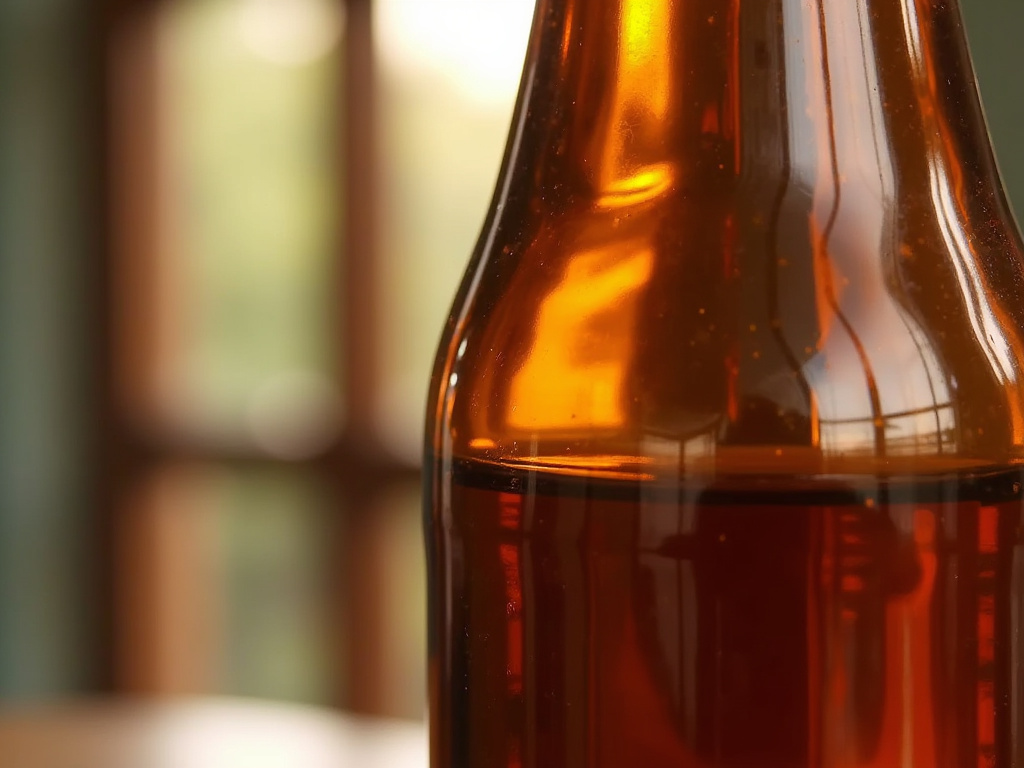
The tinctures, an increasingly popular preparation method, offer a concentrated form of cannabis extracts, typically derived from the plant’s leaves and flowers. The process involves steeping cannabis in a high-proof alcohol, such as ethanol or isopropyl alcohol, for an extended period, allowing for the transfer of cannabinoids and terpenes into the solvent. This creates a potent liquid that can be easily dosed and administered orally, making it a versatile choice for consumers seeking therapeutic benefits.
The composition of the tinctures varies based on the plant material used and the extraction method. Typically, they contain a high concentration of cannabinoids like THC and CBD, as well as terpenes, which are responsible for the plant’s unique aroma and flavor. A tincture made from high-CBD strain may exhibit a strong calming effect, while one derived from a high-THC variety could offer potent analgesic properties. According to a study published by the National Center for Complementary and Integrative Health (NCCIH), tinctures have been shown to be effective in managing chronic pain, anxiety, and sleep disorders.
While the tinctures offer numerous advantages, including ease of dosing and a wide range of potential therapeutic effects, they’re not without their drawbacks. Quality control is a significant concern, as the concentration of cannabinoids can vary greatly between batches. The high alcohol content in tinctures can be problematic for individuals with liver issues or those prone to alcohol sensitivity. In Bangor, as in many areas, the lack of regulated standards means consumers must exercise caution and purchase from reputable sources. The cost of the tinctures can vary widely depending on the quality and potency, with premium formulations potentially costing several times more than lower-strength options. Remember, "you get what you pay for" is especially true in this market.
Alternatives to the tinctures in Bangor include edibles, topicals, and vaporizers, each with its own unique benefits and drawbacks. Edibles, for example, offer a long-lasting effect but can take several hours to kick in, while topicals are ideal for localized pain relief. Considering the risks and options, it’s important to approach the tinctures (and all cannabis products) with informed caution. Always consult with a healthcare provider before incorporating any new supplement into your routine, and be wary of untested or unregulated products.
Step-by-Step Guide: Creating Your Own Cannabis Tincture
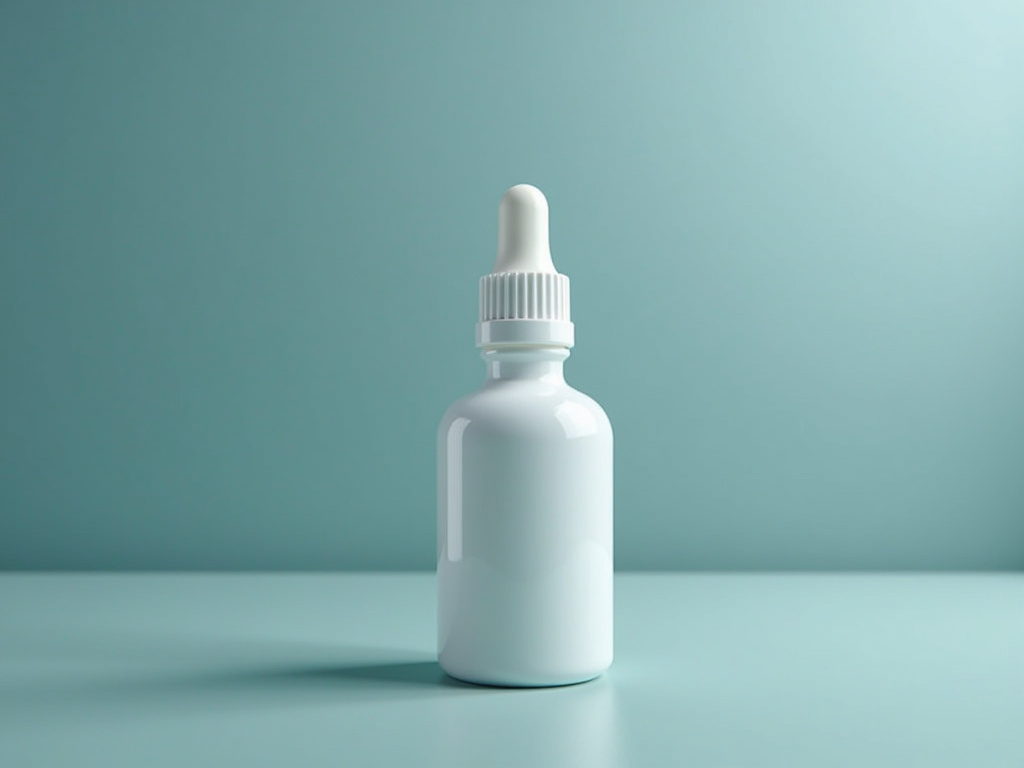
Creating your own the tinctures at home allows for precise control over the final product, catering to specific needs and preferences. Here’s a step-by-step guide to help you handle the process, ensuring a safe and effective result.
First, let’s address the legal field in Bangor, where the qualification process for producing the tinctures varies. The Food and Drug Administration (FDA) and the National Institute of Drug Abuse (NIDA) have strict regulations, but states like Maine have decriminalized and regulated cannabis for medicinal use. The American Herbal Products Association (AHPA) provides guidelines for herbal product manufacturing, offering a framework to ensure your tincture meets quality standards. Before beginning, research Maine’s specific laws regarding cannabis production and consult with legal experts to ensure compliance.
The process starts with selecting the right cannabis. In Bangor, cultivators offer a variety of strains, each with unique terpene profiles and potential therapeutic benefits. Linalool, found in many cannabis strains, is known for its calming effects. Choose a strain suited to your intended use, whether it’s for anxiety relief, pain management, or sleep aid. Once sourced, the cannabis must be meticulously prepared. This involves decarboxylation, a process that converts raw cannabis into an active form by heating it to a specific temperature. A well-known example of decarboxylation is baking cannabis-infused edibles, but for tinctures, a more precise method is required.
Next, comes the actual tincture making. The process involves soaking ground cannabis in a high-proof alcohol, such as ethanol or isopropyl alcohol, for several weeks. This allows the cannabinoids, the active compounds in cannabis, to dissolve into the alcohol. During this period, it’s important to maintain a consistent, dark environment to protect the tincture from light degradation. After the soak, the mixture is strained to remove solid plant matter, resulting in a clear liquid tincture. This is a delicate process, requiring care to avoid contamination and preserving the potency of the final product.
Choosing the right cannabis tincture for you is a personal journey. Consider your intended use, desired potency, and taste preferences. A patient seeking relief from chronic pain might opt for a high-CBD, low-THC tincture, while someone looking for a relaxing evening might prefer a balanced blend. The National Center for Complementary and Integrative Health (NCCIH) offers valuable insights into the potential benefits and uses of cannabis, guiding consumers in their choices. Always consult with a healthcare provider before incorporating cannabis into your wellness routine.
| Factor | What to know |
|---|---|
| Composition | Alcohol-based extract containing cannabinoids (THC/CBD) and terpenes from cannabis flowers |
| Absorption Speed | Alcohol base allows faster absorption and quicker effects than other methods |
| Therapeutic Uses | Shown effective for chronic pain, anxiety, insomnia, and sleep disorders |
| Quality Concerns | Cannabinoid concentration varies by batch; lack of regulated standards requires caution |
| Making Process | Involves decarboxylation, then soaking ground cannabis in high-proof alcohol for weeks |
Exploring Therapeutic Uses and Dosage of Cannabis Tinctures

The tinctures, derived from concentrated cannabis extracts, offer a versatile and precise method of administering cannabis for therapeutic purposes. Unlike edible forms, tinctures allow for rapid absorption through mucous membranes, often resulting in quicker effects. This makes them a popular choice for managing acute symptoms or specific medical conditions. The process of creating the tinctures involves soaking cannabis flowers or leaves in a high-proof alcohol, like ethanol or isopropyl alcohol, for an extended period. This extraction method captures a wide range of cannabinoids, including THC and CBD, making them potent remedies.
The dosage of the tinctures varies widely depending on the desired effects and individual tolerance. A common starting point for oral tinctures is 2-5 drops, held under the tongue for about 30 seconds before swallowing, roughly 3-4 times daily. However, this should be tailored to individual needs. A patient with severe chronic pain might require a higher dose than someone seeking relief from mild anxiety. It’s important to consult a qualified healthcare provider or herbalist for guidance, especially when combining tinctures with other medications. Research shows that the tinctures can be effective in managing conditions such as epilepsy, multiple sclerosis, and chronic pain, with some studies indicating improved sleep quality and reduced anxiety.
While the tinctures offer benefits, they’re not the only option for therapeutic cannabis use. Topicals, vaporizers, and edibles also provide unique advantages. Topical creams containing cannabis extracts can be applied directly to the skin for localized relief, making them ideal for conditions like arthritis or neuropathy. In Bangor, Maine, where cannabis laws allow for medical and adult-use, patients and consumers have access to a diverse market offering these alternative delivery methods. As with any cannabis product, it’s essential to understand local regulations and consult healthcare professionals to determine the best approach, whether that’s embracing the tinctures or exploring other options.
Frequently Asked Questions About Cannabis Tinctures
What are the tinctures, and how are they made?
The tinctures are concentrated extracts made by soaking cannabis flowers or leaves in a high-proof alcohol, like ethanol or isopropyl alcohol, for an extended period. This process extracts the active compounds, mainly cannabinoids like THC and CBD, into the alcohol. The mixture is then strained to remove plant material, leaving a liquid infused with cannabis compounds. This method preserves the plant’s chemical profile, offering a potent and versatile cannabis product.
What are the different types of the tinctures available?
Tinctures can be categorized based on their active compounds:
- CBD Tinctures: These are popular for their potential anti-inflammatory and anxiety-reducing effects.
- THC Tinctures: Offer psychoactive effects, used for pain management, sleep aid, or recreational use.
- Full-Spectrum Tinctures: Contain a blend of THC, CBD, and other cannabinoids, aiming for the entourage effect, where compounds work together for enhanced benefits.
- Isolated Cannabinoid Tinctures: Contain a pure form of one cannabinoid, allowing for precise dosing.
How do the tinctures differ from other consumption methods?
Tinctures differ from smoking or vaping in several ways:
- Potency: Tinctures are much stronger than other methods, as they deliver a concentrated dose directly into the bloodstream, bypassing the lungs.
- Effect: They take longer to feel (30 minutes to 2 hours) due to absorption through the digestive system, offering a more subtle, prolonged high.
- Versatility: Tinctures can be used sublingually (under the tongue) or added to food and drinks, allowing for precise dosing and a wide range of applications.
What are the benefits of using the tinctures?
The tinctures offer several advantages:
- Precision Dosing: They allow for exact measurements, making it easier to control the amount of cannabinoids consumed.
- Versatility: Can be used topically for targeted pain relief or ingested for systemic effects.
- Convenience: Easy to transport and use discreetly, with a long shelf life when stored properly.
- Non-Combustible: Avoid the health risks associated with smoking, making them a safer alternative.
How should one determine the appropriate dosage for a cannabis tincture?
Dosage depends on various factors, including the individual’s tolerance, desired effects, and the tincture’s potency.
- Start Low: Begin with a small dose, around 3-5 mg of THC or 1-2 mg of CBD, and gradually increase until desired results are achieved.
- Record and Monitor: Keep a journal to track dosages and effects, helping to fine-tune usage.
- Consult a Professional: For medical use, consult a healthcare provider or cannabis clinician for personalized guidance.
Can the tinctures be used to treat specific medical conditions?
Yes, the tinctures have been used for:
- Chronic Pain: The anti-inflammatory properties can help manage chronic conditions like arthritis and fibromyalgia.
- Anxiety and Stress: CBD-rich tinctures may reduce anxiety and promote relaxation.
- Insomnia: The sedative effects of THC can aid sleep, but it’s essential to use THC responsibly.
- Skin Conditions: Topical tinctures can be beneficial for acne, eczema, and psoriasis due to cannabis’ anti-inflammatory nature.
The tinctures, a concentrated form of cannabis extract, offer a versatile and potent way to use the plant’s medicinal properties. By understanding the complex composition of these tinctures, which can vary in potency and include a range of cannabinoids and terpenes, users can make informed decisions about their health and well-being. The process of creating your own tinctures provides a level of customization and control over the final product, allowing for tailored doses and desired effects.
The therapeutic potential of the tinctures is vast, with applications in managing pain, anxiety, and sleep disorders, among others. However, safe and effective use requires a precise understanding of dosage. The National Institute of Drug Abuse (NIDA) emphasizes the importance of consulting healthcare professionals, especially when combining tinctures with other medications.
Looking ahead, consumers can use the growing body of research, as advocated by organizations like the Marijuana Policy Project and the American Herbal Products Association (AHPA), to make the tinctures a valuable part of their complete health routines. By staying informed about regulations, safety guidelines, and scientific developments, individuals can confidently explore the benefits of these potent extracts, following the expert advice of herbalists and healthcare providers.
Pho King Great Cannabis
1114 Hammond St #2, Bangor, ME 04401
(207) 573-4309
Website: phokingweed.com
View Pho King Great Cannabis on Google Maps
How to get to Pho King Great Cannabis from Maine Square Mall
Coming from Maine Square Mall? the drive to Pho King Great Cannabis is a quick one. Head out on Hogan Rd and you'll find us on Hammond St #2 at 1114 Hammond St #2, Bangor, ME 04401. Use the map below for turn-by-turn directions.