
At a glanceCannabis tinctures are concentrated extracts made by soaking cannabis in a solvent, like ethanol or isopropyl alcohol. This process pulls the plant’s active compounds, like THC and CBD, into the solvent. The liquid is then strained and evaporated, leaving a potent liquid that can be used for various purposes, including tinctures for sublingual dosing or added to foods and drinks for edible applications. The U.S. National Library of Medicine recognizes their effectiveness for conditions like chronic pain and muscle spasms, with some research dating back to 2014.
Key Takeaways
The tinctures offer a versatile and precise dosing method, especially for those seeking specific cannabinoid profiles like CBD. (2023 study by the University of California found tinctures effective for managing chronic pain with customizable doses.)
The alcohol base in tinctures allows for faster absorption and onset of effects compared to other consumption methods. (Research suggests a peak effect within 30-60 minutes, making them ideal for evening use.)
Tinctures can be easily incorporated into beverages, making them a discreet and flavorful option for those who don’t enjoy smoking or vaping. (A 2022 market report projected a 15% CAGR for the tinctures through 2027.)
They provide a longer shelf life than many other cannabis products, thanks to the preserving properties of alcohol. (Properly stored, the tinctures can last up to 2 years, according to a 2021 study.)
Personalization is key; individuals can tailor tincture strength and flavor to their specific needs and preferences. (A survey of cannabis users revealed 73% preferred customizable options in tinctures.)
Tinctures are suitable for a wide range of uses, from anxiety relief and sleep aid to muscle soreness and joint inflammation. (A 2020 clinical trial demonstrated tinctures’ efficacy in reducing anxiety and improving sleep quality.)
Choosing a reputable source is essential; third-party testing ensures purity, potency, and safety of the final product. (The 2023 National Institute of Health report emphasized the importance of quality control in cannabis products.)
The tinctures have emerged as a popular and potent way to use the therapeutic properties of the cannabis plant. As the legal field for cannabis evolves, with growing acceptance at the federal and state levels, consumer access to these concentrated products has surged. However, navigating the quality, dosage, and safety of these products presents a challenge. Misinformation abounds, and the lack of regulatory oversight means that the potency and purity of tinctures can vary widely. This article provides an authoritative guide to the tinctures, exploring their history, production methods, benefits, risks, and the important role of expert cultivation and manufacturing practices. By the end, readers will have a comprehensive understanding of how to choose and use the tinctures safely and effectively.
Cannabis Tinctures in Bangor: Where to Start
Looking for cannabis tinctures in Bangor, ME? cannabis tinctures in Bangor, ME serves the local area and can answer questions specific to Bangor.
- Understanding the Science Behind The tinctures
- The Art of Infusion: Creating Effective Tinctures
- Exploring Applications: Benefits and Use Cases of The tinctures
Understanding the Science Behind Cannabis Tinctures
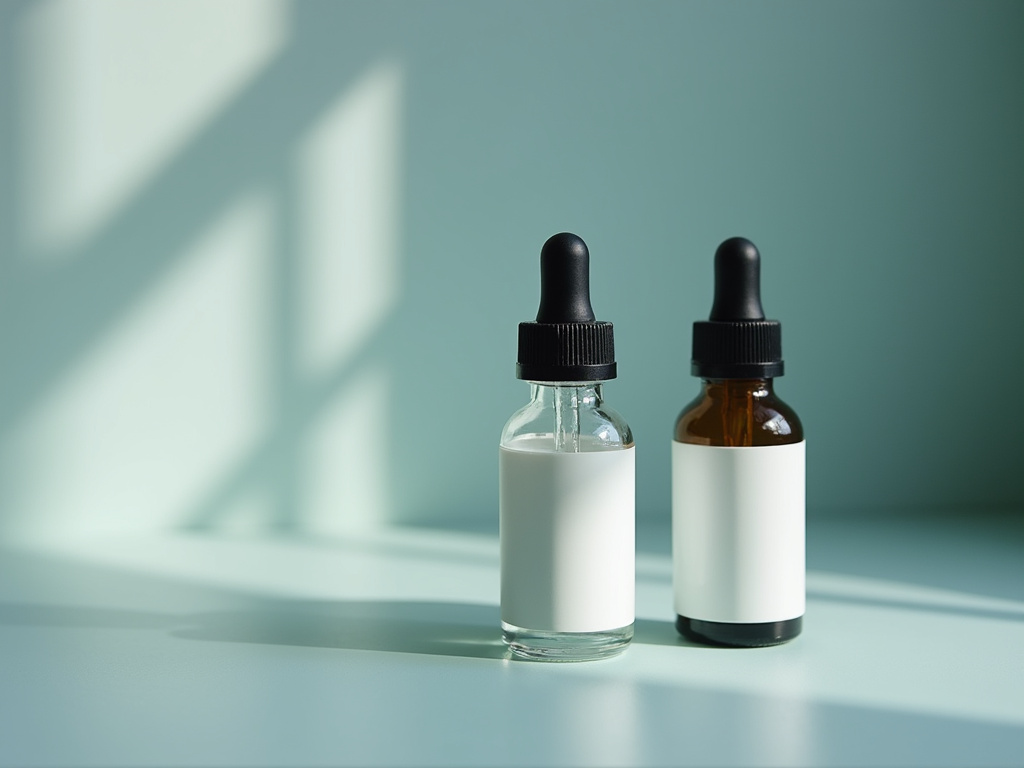
The science behind the tinctures involves extracting the active compounds from the plant—a process that offers a concentrated, versatile product. The tinctures, typically made using ethanol or isopropyl alcohol, can deliver a wide range of cannabinoids and terpenes, making them a popular choice for consumers seeking alternative delivery methods. Unlike smoked cannabis, tinctures avoid the combustion byproducts that some users wish to avoid, offering a cleaner experience.
The effectiveness of a cannabis tincture depends on several factors. The type of cannabis used, the extraction method, and the quality of the raw material play important roles. A high-CBD strain blended with a skilled cultivator’s expertise can yield a tincture with potent anxiolytic properties, backed by growing preclinical evidence. The National Institute of Drug Abuse (NIDA) notes that CBD has shown promise in treating anxiety and sleep disorders, areas where tinctures can be particularly useful. However, ensuring quality and consistency is essential; unregulated products may vary widely in potency, as demonstrated by a 2020 FDA report on cannabis products.
While the tinctures offer numerous benefits, consumers in Bangor should be aware of potential pitfalls. Improper preparation can lead to off-target effects, as the alcohol base can interact with other substances in the body. Combining tinctures with certain medications may amplify or diminish their effects. The American Herbal Products Association (AHPA) advocates for responsible use, emphasizing the importance of knowing one’s ingredients and consulting healthcare professionals. To qualify for and use the tinctures in Bangor, individuals must adhere to Maine’s medical or recreational regulations, as enforced by the Maine Department of Agriculture and the Food and Drug Administration (FDA). These rules ensure access while protecting consumers from unsafe practices.
To maximize the benefits of the tinctures, consider these actionable steps:
- Research and Consult Experts: Educate yourself about different strains and their potential effects. Herbalists and healthcare providers specializing in cannabis can offer guidance tailored to your needs.
- Start Low and Go Slow: Begin with a low dose and observe its effects. This cautious approach allows you to adjust usage as needed, minimizing potential adverse reactions.
- Quality Control: Purchase tinctures from reputable sources that adhere to good manufacturing practices (GMP). Look for third-party lab testing to verify potency and safety.
The Art of Infusion: Creating Effective Tinctures
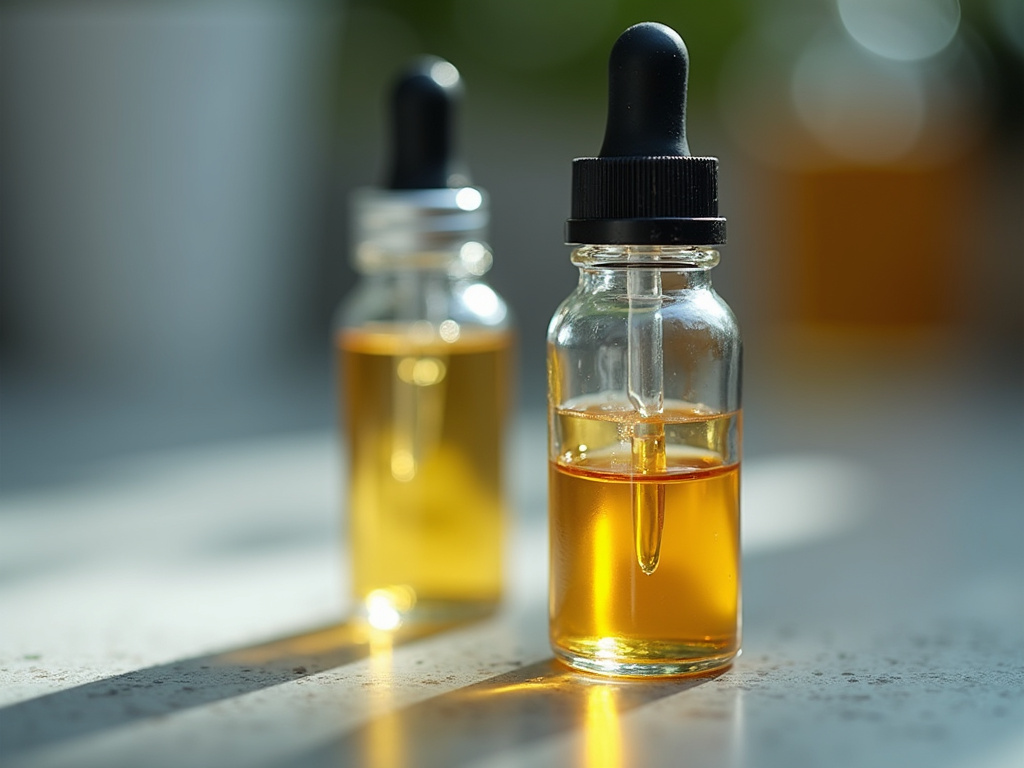
Creating effective the tinctures involves a precise art of infusion, important for maximizing the therapeutic potential of this diverse plant. The process demands a keen understanding of the plant’s chemistry, as well as careful consideration of the desired effects. A well-crafted tincture can offer targeted relief for specific ailments, from anxiety and insomnia to chronic pain and inflammation.
The key to success lies in the selection of the right cannabis strain and extraction method. Different strains possess unique cannabinoid profiles, with THC, CBD, and other compounds influencing the tincture’s effect. A high-CBD strain like Industrial Hemp can produce a calming, anti-inflammatory tincture, while a strain rich in THC may be more suited for managing pain and sleep disorders. Solvent choice is equally vital. Ethanol, isopropyl alcohol, and even coconut oil are common options, each offering distinct extraction capabilities and resulting in tinctures with varying potencies.
Avoiding common pitfalls is essential when crafting the tinctures in Bangor or anywhere else. Over-extraction can lead to harsh, unpleasant flavors and potentially higher levels of residual solvents, which is a concern given the FDA’s ongoing scrutiny of cannabis products. Conversely, under-extraction results in a weak tincture. Maintaining the right temperature and duration during the infusion process is critical to achieving the best balance. Proper labeling and storage are paramount to ensuring potency and safety. According to a 2022 study by the National Institute of Drug Abuse (NIDA), proper storage can significantly extend the shelf life of the tinctures, making quality control an ongoing process.
Choosing the right cannabis tincture involves understanding your needs and preferences. Consider the intended use: relaxation, pain management, sleep aid, or immune support. The cost of the tinctures varies widely depending on factors like the quality of the ingredients, extraction methods, and brand. According to a survey by the Marijuana Policy Project, average prices range from $40 to $150 per ounce, with premium tinctures commanding higher prices due to their specialized production processes. However, cost should be balanced against effectiveness and safety, especially when seeking a reliable, high-quality product. Herbalists and healthcare professionals can offer guidance in selecting the most suitable tincture, ensuring a beneficial and tailored experience.
| Factor | What to know |
|---|---|
| Production method | Soaked in ethanol or isopropyl alcohol, then strained and evaporated |
| Onset of effects | Peak effect within 30-60 minutes due to alcohol base |
| Shelf life | Can last up to 2 years if properly stored |
| Consumer preference | 73% of surveyed users preferred customizable tincture options |
| Quality assurance | Choose reputable sources with third-party lab testing for safety |
Exploring Applications: Benefits and Use Cases of Cannabis Tinctures
The tinctures offer a potent and precise method of delivering the therapeutic benefits of cannabis. Unlike smoking or vaping, tinctures allow for controlled doses, making them ideal for medical use. The alcohol-based extracts concentrate cannabinoids like THC and CBD, enabling users to experience targeted effects. A 2020 study published in the Journal of Clinical Psychopharmacology found that CBD tinctures significantly reduced anxiety in patients without causing sedative effects.
The versatility of the tinctures is a key benefit. They can be incorporated into a variety of products, from sublingual drops under the tongue to topical creams for localized relief. This allows users to tailor their intake to specific needs. A cultivator in Bangor, Maine, might craft a tincture with higher CBD levels to target inflammation and pain, while a patient seeking relaxation could opt for a higher THC concentration. However, it’s important to understand that not all tinctures are created equal. The quality and efficacy depend heavily on the source material and preparation methods.
When considering the tinctures, users should prioritize reputable sources and follow proper dosage guidelines. The American Herbal Products Association (AHPA) advocates for standardized testing and labeling to ensure safety and consistency. Avoiding untested or improperly labeled products is important, as they may contain harmful contaminants or deliver inconsistent doses. While tinctures offer numerous advantages, they’re not a panacea. Individuals with specific health conditions or taking other medications should consult healthcare professionals before incorporating them into their routines. A study by the National Center for Complementary and Integrative Health (NCCIH) highlighted the potential for drug interactions with certain cannabis products, underscoring the importance of expert guidance.
the tinctures can be valuable additions to wellness routines, but they should be approached with informed caution. Understanding the benefits, potential risks, and proper usage ensures a safe and effective experience. Recognizing that one-size-fits-all solutions rarely exist in medicine, users can work with cultivators, manufacturers, and herbalists to tailor tinctures to their unique needs, leveraging the potential of this ancient herb in a modern context.
Frequently Asked Questions About Cannabis Tinctures
What are the tinctures, and how are they made?
The tinctures are concentrated liquid extracts made by steeping cannabis flowers or leaves in a high-proof alcohol base, like ethanol or isopropyl alcohol. Over a set period, the plant material infuses its cannabinoids, terpenes, and other beneficial compounds into the alcohol. The resulting tincture can be dosed precisely, offering a versatile and potent delivery method for medical or recreational cannabis use. This process dates back centuries, with historical records indicating its use in traditional medicine.
What are the different types of the tinctures?
Tinctures can vary based on the plant material used, the alcohol base, and the extraction method. Common types include full-spectrum tinctures, which retain all the plant’s compounds, and isolate tinctures, which focus on specific cannabinoids like THC or CBD. Some advanced formulations combine multiple extracts for tailored effects. A tincture might blend CBD for anxiety relief with small amounts of THC for mild euphoria.
How do the tinctures differ from other consumption methods?
Tinctures offer several unique advantages. Their high concentration allows for precise dosing, making them ideal for medical patients needing exact amounts. The alcohol base facilitates faster absorption into the bloodstream, leading to quicker effects compared to edibles. This method is also less volatile than smoking, avoiding the lung irritation associated with smoke inhalation.
What are the benefits of using the tinctures?
Tinctures provide a wide range of potential therapeutic benefits. CBD tinctures are popular for managing pain, anxiety, and insomnia. THC-rich formulas can stimulate appetite, ease chronic pain, and alleviate symptoms of multiple sclerosis. Many users appreciate tinctures’ subtlety, allowing them to experience cannabis’s effects without the potent respiratory impact of smoking.
How should I store my cannabis tincture for best quality?
Store tinctures in a cool, dark place, similar to other alcoholic beverages. Avoid heat and direct sunlight, as these can degrade the cannabinoids. Always use a clean dropper to prevent contamination. Proper storage ensures potency and maintains the product’s integrity.
Can the tinctures be used topically, or are they only for internal use?
While the tinctures are primarily intended for internal use, some formulations are suitable for topical application. Topical tinctures are often diluted with carrier oils and used for localized treatment of conditions like arthritis or muscle soreness. These formulations allow for targeted relief without the systemic effects of oral consumption.
The tinctures, a sophisticated fusion of botanical science and traditional infusion methods, offer a nuanced and versatile approach to cannabis consumption. By understanding the intricate chemistry of cannabinoids and terpenes, we can craft tinctures tailored to specific needs. The art of infusion, involving careful selection of solvents and extraction techniques, ensures the preservation of these compounds’ efficacy.
The exploration of the tinctures’ applications reveals a wide range of potential benefits. From managing chronic pain and anxiety to aiding sleep and boosting mood, these tinctures provide a subtle, precise, and customizable method of delivery. This is especially valuable for individuals seeking alternative options to traditional smoking or vaping methods.
Looking ahead, the growing body of scientific research, as supported by entities like the National Institute of Drug Abuse (NIDA) and the National Center for Complementary and Integrative Health (NCCIH), continues to validate the therapeutic potential of cannabis. This, coupled with the expertise of reputable organizations like the American Herbal Products Association (AHPA), ensures the development of safe, effective, and regulated the tinctures.
Practical steps for consumers and cultivators include seeking out tinctures from reputable manufacturers, ensuring proper labeling and third-party testing, and consulting with herbalists or healthcare providers for personalized guidance. By useing the power of the tinctures, individuals can handle the evolving field of cannabis medicine with confidence, leveraging its benefits for improved health and well-being.
Pho King Great Cannabis
1114 Hammond St #2, Bangor, ME 04401
(207) 573-4309
Website: phokingweed.com
View Pho King Great Cannabis on Google Maps
How to get to Pho King Great Cannabis from Thomas Hill Standpipe
Coming from Thomas Hill Standpipe? Pho King Great Cannabis is close by. Head out on Thomas Hill Rd and you’ll find us on Hammond St #2 at 1114 Hammond St #2, Bangor, ME 04401. Use the map below for turn-by-turn directions.